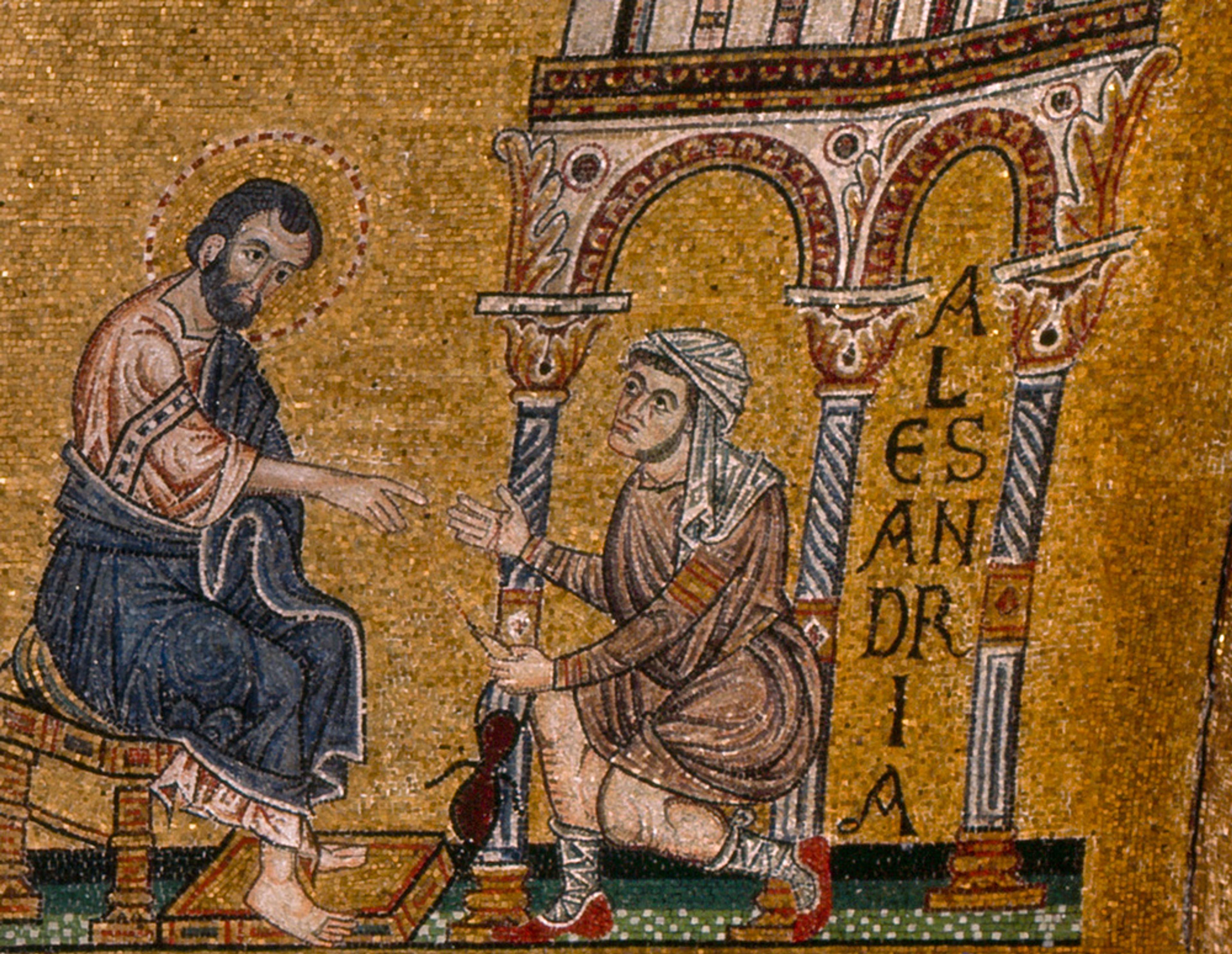
The human body in medieval art rarely existed for beauty, realism, or individuality. Instead, every limb, wound, posture, and gesture carried doctrine. It was a visual battlefield where theology and politics converged—where saints bled dogma, kings wore divinity like armor, and suffering bodies became propaganda. To look at a crucifix, a royal effigy, or a martyr’s agony was to witness the body transformed into a site of spiritual authority and earthly control.
This wasn’t accidental. In an era where most people couldn’t read scripture, images were the message. And the message was clear: salvation, sin, sovereignty, and submission were all inscribed on flesh—painted, carved, gilded, and displayed for masses to internalize.
The Theological Body: Flesh as Divine Medium
Medieval theology didn’t separate the spiritual from the physical. The Incarnation—the belief that God became flesh in Jesus—elevated the body from vessel to sacred text. Artists didn’t merely illustrate stories; they designed visual theology.
Take the Crucifix. Unlike later Renaissance depictions that softened Christ’s agony, early and high medieval crucifixes emphasized torment. Christ’s body is emaciated, eyes closed, blood dripping. This wasn’t realism—it was theology in tissue. The Imago Pietatis (Image of Pity), widespread by the 13th century, showed Christ staring mournfully at the viewer from the cross, inviting personal guilt and repentance. The body here isn’t dying—it’s teaching.
Similarly, saints’ bodies preached doctrine. St. Lawrence was grilled alive, and his art often shows him on a gridiron—his pain not minimized but magnified to signal unwavering faith. St. Sebastian, pierced by arrows, became an icon of purity and endurance. These weren’t just stories; they were bodily sermons, teaching believers how to suffer, resist, and transcend.
“The body is the altar where grace is made visible.” — Medieval theologian, paraphrased in 12th-century sermons
Even dismemberment carried meaning. Relics—fragments of saints’ bodies—were enshrined in golden reliquaries shaped like arms, skulls, or hearts. Pilgrims didn’t just venerate a saint; they touched a piece of holy flesh. The body, fragmented and reassembled in art, proved that physical matter could be infused with divine power.
The Political Body: Kingship, Authority, and the Sacred Self
While the Church sanctified bodies, monarchs borrowed that sanctity. Medieval rulers didn’t just claim power—they performed it through bodily representation. The king’s body wasn’t just his own; it was a theological-political symbol, doubled in meaning.
French and English monarchs were anointed during coronations—a ritual that didn’t just crown but consecrated. The unction linked them to biblical kings like David and Solomon. Once anointed, their bodies were no longer fully human. They became the body politic—a concept medieval jurists articulated: the king had two bodies, one mortal, one eternal.
Art reinforced this. In the Westminster Abbey tomb effigies, monarchs like Edward III are shown in full regalia, eyes open, scepter in hand. They aren’t dead—they’re in perpetual reign. Their bodies, carved in stone, project unbroken authority beyond death.

Even physical presence was weaponized. Charlemagne was depicted larger than attendants—hieratic scale wasn’t about realism but status. Later, in manuscript illuminations like those of the Très Riches Heures du Duc de Berry, dukes are shown kneeling in prayer, but their garments outshine the clergy. The body, adorned, becomes a statement: I am close to God, and don’t you forget it.
Gender, Flesh, and Control: Women’s Bodies as Doctrine
Women’s bodies in medieval art were especially politicized and theologically charged. They were sites of both sanctity and suspicion—elevated as vessels of divine motherhood or demonized as sources of sin.
The Virgin Mary is the ultimate example. In Byzantine and Gothic art, she’s often shown enthroned, holding Christ like a sacred object. Her body is serene, covered, untouched by labor or pain—even in Nativity scenes. This wasn’t historical accuracy; it was doctrine. The Theotokos (God-bearer) had to be pure, perpetual virgin, her body a temple, not a site of biological function.
Contrast that with Eve. In cathedral tympanums like at Autun or Moissac, Eve is often naked, smaller than Adam, reaching for the fruit with exaggerated gesture. Her body is the origin of sin—curved, tempting, flawed. The visual contrast between Mary and Eve wasn’t just artistic choice; it was a moral hierarchy inscribed on the female form.
Even female saints had to navigate this duality. St. Agnes, a virgin martyr, is shown with a lamb—symbol of purity. But her martyrdom (often implied, not shown) involved sexual threat. Her body, preserved in death, became a model of resistance against violation. In art, she’s youthful, clothed, untouched—her sanctity tied to sexual inviolability.
Men’s suffering demonstrated faith. Women’s suffering proved purity. The body, once again, became the canvas for doctrine.
Disability and the Body: Divine Sign or Punishment?
Not all bodies were celebrated. Medieval art often depicted disability—limping, blindness, deformity—but rarely neutrally. These bodies were narrative devices, framed as either divinely inflicted or divinely healed.
In healing miracles, disabled bodies were common. Christ heals the blind man in Jerusalem—his empty eyes emphasized before and after the miracle. But the focus isn’t on the man’s life; it’s on Christ’s power. The disabled body exists to be transformed, proof of divine authority.
Lepers were another case. Often shown with crutches or covered faces, they were pushed to society’s edge. Yet Christ touching the leper was a popular scene—not because leprosy was dignified, but because Christ’s touch overcame impurity. The body here is both unclean and a stage for grace.
What’s revealing is the absence. There are no independent, dignified depictions of disabled people living full lives. Their bodies were theological props—sites of sin, suffering, or redemption—but rarely subjects in their own right.
Art as Control: The Body in Architecture and Public Space
The body didn’t just appear in paintings and sculptures—it was embedded in the very spaces where people worshipped and gathered.
Church portals told stories through stone bodies. At Chartres Cathedral, the west façade shows Christ in Majesty—enlarged, rigid, framed by angels. Below, the lintel depicts the resurrection of the dead: bodies rising from tombs, naked, reaching upward. These aren’t just decorative; they’re didactic. They remind viewers of judgment, resurrection, and the body’s eternal stakes.
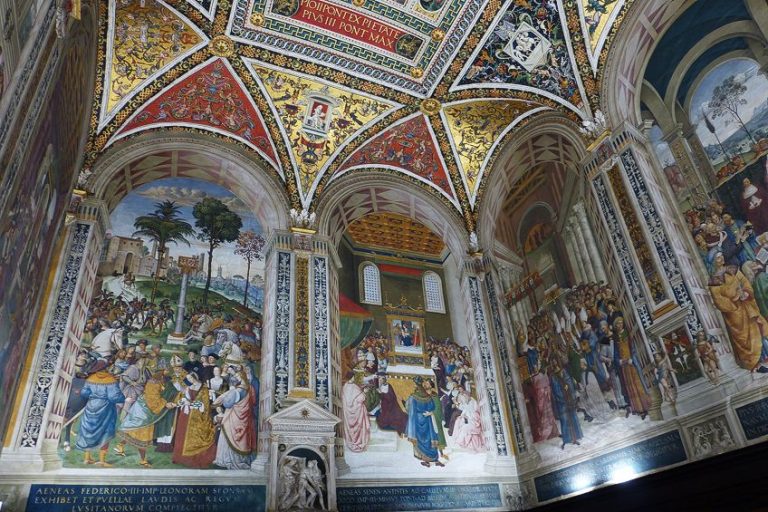
Interior frescoes reinforced social order. In The Last Judgment scenes, like the one at Beauvais Cathedral, the saved are shown nude but serene, ascending. The damned are twisted, grotesque, pulled into hell by demons. The body’s fate—glorified or tormented—depended on moral conduct.
Even monastic art disciplined the body. Illuminated manuscripts of penitential psalms often showed David naked, weeping—modeling contrition. Monks didn’t just read these; they performed them, aligning their bodies with the spiritual posture of the image.
Materiality and Meaning: How Medium Shaped the Message
The materials used to depict bodies also carried theological weight. Gold leaf wasn’t just decorative—it represented divine light. A halo wasn’t a ring; it was uncreated light, rendered in metallic brilliance.
Ivory carvings of the Crucifixion, used in private devotion, were small enough to hold—making Christ’s suffering intimate, tactile. The smoothness of the ivory contrasted with the horror of the scene, amplifying emotional impact.
Frescoes in pilgrimage churches used exaggerated proportions—larger heads, elongated limbs—to ensure visibility from a distance. The body was distorted not for style, but for functional theology.
Even color had meaning. Christ’s red tunic symbolized divinity and blood; Mary’s blue mantle stood for heaven and purity. These weren’t arbitrary choices—they were visual codes, reinforcing doctrine with pigment.
The Legacy: When Art Makes Flesh Speak Doctrine
Medieval art didn’t just depict bodies—it used them. Every posture, wound, garment, and expression was calibrated to teach, control, and inspire. The body was never neutral. It was the frontline of belief.
Today, we may see these images as archaic or stylized. But they were engineered for maximum psychological and spiritual impact. They turned anatomy into allegory, flesh into authority, pain into piety.
To ignore the body’s role in medieval art is to misunderstand the entire project of the Middle Ages: a world where the physical was the only ladder to the divine—and every rung was carved from doctrine.
For artists, historians, and thinkers, the lesson remains: the body in art is never just a body. It’s ideology in form.
Frequently Asked Questions
Why are bodies in medieval art so stiff and unnatural? Stiffness wasn’t a lack of skill—it was symbolic. Rigid poses conveyed sacred permanence, distancing holy figures from earthly imperfection and decay.
Did medieval artists study anatomy? Not in the Renaissance sense. They followed iconographic templates, prioritizing theological accuracy over physical realism. Proportions served meaning, not observation.
How did politics influence religious art? Monarchs commissioned art to align themselves with divine authority. Coronation imagery, donor portraits in altarpieces, and effigies all blurred the line between royal and sacred power.
Were all naked bodies in medieval art sinful? No. Nudity had context. The resurrected were often nude to symbolize purity. But Eve’s nakedness represented shame, while Adam’s could denote innocence—depending on the scene.
Why were wounds so emphasized in depictions of Christ and saints? Wounds were theological symbols—the Five Holy Wounds of Christ proved his sacrifice. Blood wasn’t gore; it was grace made visible, central to Eucharistic theology.
What role did gender play in bodily depictions? Women’s bodies were tightly controlled in art—either exalted (Mary) or condemned (Eve). Their physical form was tied to moral and spiritual states, more so than men’s.
How did ordinary people interact with these images? For the illiterate, images were scripture. People prayed to them, touched them, wept before them. The body in art wasn’t observed—it was encountered.
FAQ
What should you look for in How Medieval Art Turned the Body Into Sacred Power? Focus on relevance, practical value, and how well the solution matches real user intent.
Is How Medieval Art Turned the Body Into Sacred Power suitable for beginners? That depends on the workflow, but a clear step-by-step approach usually makes it easier to start.
How do you compare options around How Medieval Art Turned the Body Into Sacred Power? Compare features, trust signals, limitations, pricing, and ease of implementation.
What mistakes should you avoid? Avoid generic choices, weak validation, and decisions based only on marketing claims.
What is the next best step? Shortlist the most relevant options, validate them quickly, and refine from real-world results.