Too many safety meetings end with blank stares, half-listened advice, and zero behavior change. The problem isn’t the intent—it’s the content. Generic, outdated, or overly technical toolbox talk topics fail because they don’t connect with workers or reflect real site conditions. What teams need isn’t more presentations, but relevant, actionable discussions they can access quickly and customize on the fly.
That’s where free, high-quality toolbox talk topics come in. When done right, these templates save time, ensure consistency, and spark real conversation—without requiring hours of prep. Below, we break down the most effective topics, where to download them, and how to use them for maximum impact.
What Makes a Toolbox Talk Topic Effective
A great toolbox talk isn’t about reading bullet points. It’s about starting a dialogue that changes behavior. The most effective topics share these traits:
- Relevance to current site conditions
- Topics like “Working Near Excavations” matter more when trenching is happening that week.
- Clear hazards and controls
- Workers need to know not just what the danger is, but how to avoid it.
- Short and interactive (5–10 minutes)
- Long monologues lose attention. Good talks include questions, real examples, or quick demonstrations.
- Visuals or handouts (where possible)
- A simple diagram of a fall protection setup sticks longer than verbal description alone.
- Compliance alignment
- The best templates reference OSHA, ANSI, or local regulations without sounding like legal documents.
When sourcing free downloads, prioritize content that follows this model—not just lists of rules.
7 High-Impact Toolbox Talk Topics You Can Download Now
Here are proven, practical topics that resonate on real job sites. Each is available as a free, editable download from reputable safety providers:
1. Electrical Safety: Staying Clear of Live Circuits Covers lockout/tagout basics, PPE requirements, and identifying exposed wiring. Workers often underestimate low-voltage risks—this talk uses real incident examples to drive home the danger.
Use case: Right before electrical rough-in begins on a commercial build.
2. Fall Protection: Beyond the Harness Focuses on proper anchor points, inspection routines, and avoiding overconfidence on low-height work. Common mistake? Assuming guardrails are always enough—this talk challenges that.
Download tip: Look for versions with a pre-use checklist for harnesses.

3. Slips, Trips, and Falls on Level Surfaces Often overlooked, but accounts for 25% of site injuries. Talks cover housekeeping, footwear, and how clutter spreads quickly in high-traffic zones.
Pro tip: Bring in a photo from your own site to start the conversation.
4. Hand and Power Tool Safety From angle grinders to cordless drills, this topic reviews kickback risks, guarding, and proper storage. Includes a quick demo guide for team leads.
Realistic challenge: Many workers modify tools illegally—address this head-on.
5. Hazard Communication (HazCom) Breaks down GHS labels, SDS access, and emergency procedures for chemical exposure. Especially useful during material delivery weeks.
Template must-have: A sample label breakdown for instant clarity.
6. Ladder Safety: More Than Just Climbing Right Discusses setup on uneven ground, 3-point contact, and maximum load limits. Often paired with a 2-minute field inspection drill.
Common error: Leaning too far instead of repositioning—emphasize “belt buckle rule.”
7. Personal Protective Equipment (PPE) Audit Not just a list of required gear, but a discussion on fit, maintenance, and compliance fatigue. Includes a quick self-check prompt for workers.
Workflow tip: Use this monthly to reinforce culture, not just compliance.
Where to Get Quality Toolbox Talk Topics Free Download
| Provider | Format | Editable | Best For |
|---|---|---|---|
| OSHA.gov | PDF, text | Yes (copy/paste) | Regulatory alignment |
| SafetyInfo.com | DOC, PDF | Yes | Construction teams |
| Creative Safety Supply | PDF, PPT | Partial | Visual learners |
| Seton.com | No (branded) | Quick printouts | |
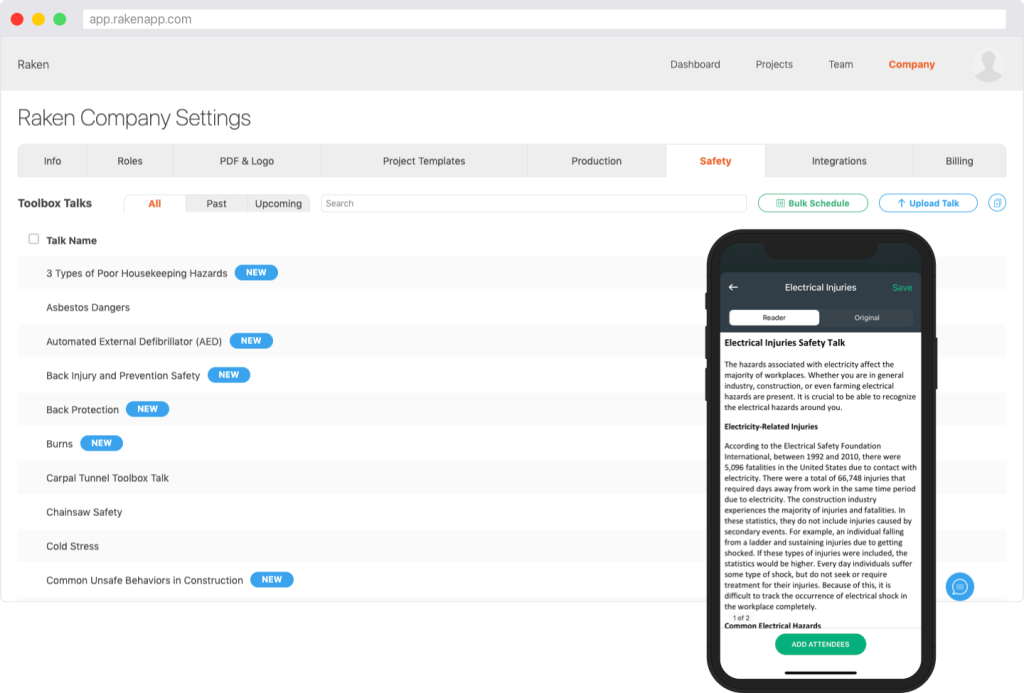
| SafetyCulture (iAuditor) | Digital templates | Yes (in-app) | Teams using mobile audits |
Key insight: OSHA’s site offers the most compliant foundation, but third-party providers often add visual aids and discussion prompts missing from government templates.
Avoid sites that require endless email signups or redirect to sales funnels. Stick to .gov domains or established safety brands.
How to Customize Free Templates for Real Results
Downloading a template is just step one. To make it work, you must localize it.
3 Customization Steps That Matter
- Insert Site-Specific Hazards
- Replace generic examples with photos from your location. If there’s a scaffold on your east side, use that—not a stock image.
- Add Team Input
- Before the talk, ask two workers: “What’s one near-miss you’ve seen this week?” Weave their answers in.
- Include a Micro-Action
- End with a task: “Check your gloves for cuts today,” or “Report any frayed cords by noon.” This builds accountability.
Example: A free fall protection template becomes far more powerful when you add: “Remember last month’s near-miss on Tower 3? This harness check could prevent that.”
Common Mistakes That Undermine Free Toolbox Talks
Even great content fails when delivered poorly. Avoid these traps:
- Using the same topic every week
- Workers tune out. Rotate topics—even if some take months to reappear.
- Lecturing instead of discussing
- A talk should have at least three open-ended questions: “What would you do if…?”
- Skipping sign-in sheets
- Documentation matters for audits. Use a simple roster—even on paper.
- Holding talks in noisy or uncomfortable areas
- If people can’t hear or are freezing, the message is lost. Pick a sheltered, quiet spot.
- Not following up
- See someone violating the topic discussed? Address it immediately: “This is why we talked about X yesterday.”
Integrating Free Topics Into Your Safety Workflow
A toolbox talk shouldn’t be an isolated event. Link it to broader operations:
- Align with weekly schedules
- If crane work starts Tuesday, talk about rigging Monday morning.
- Use near-misses to prompt new topics
- A dropped tool? Run a dropped objects talk the same day.
- Assign rotating leads
- Have a different crew member deliver the talk each week—builds ownership.
- Store completed talks digitally
- Use a shared folder or safety app to track topics covered and attendance.
Teams that treat toolbox talks as part of the workflow—not a box-ticking exercise—see real reductions in incident rates.
Free vs. Paid: When to Upgrade
Free resources are excellent for starting strong. But consider paid options when:
- You need multilingual content
- Your teams are remote or mobile-heavy
- You want automated tracking and reporting
Platforms like SafetyCulture, Frontline, or Procore offer pre-built topic libraries with analytics—useful for larger operations. But for most small to mid-sized crews, free downloads from trusted sources are more than enough.
Final Thoughts: Make Safety Stick
The best toolbox talk topics free download doesn’t just save time—it changes behavior. Focus on relevance, interaction, and real-world application. Customize templates, involve your team, and tie discussions to actual work happening that day.
Don’t chase perfect content. Chase consistent, meaningful conversations.
Start with one high-impact topic this week. Download it, adapt it, and deliver it with confidence. That’s how safety culture grows—one talk at a time.
Frequently Asked Questions
Where can I find toolbox talk topics for free? Reputable sources include OSHA.gov, SafetyInfo.com, Creative Safety Supply, and Seton—all offer downloadable templates at no cost.
Are free toolbox talk templates OSHA-compliant? Many are, especially those from OSHA or safety suppliers. Always review and tailor them to your specific operations and local regulations.
How long should a toolbox talk last? Ideally 5 to 10 minutes. Focus on one specific hazard and encourage worker participation.
Can I edit free toolbox talk PDFs? Some are editable (especially .DOC versions from SafetyInfo), but branded PDFs from companies like Seton are usually not. Check file details before downloading.
How often should toolbox talks be held? Weekly is standard in high-risk industries like construction. Increase frequency after incidents or when introducing new hazards.
Should toolbox talks be documented? Yes. Keep sign-in sheets or digital records showing date, topic, attendees, and facilitator for compliance and tracking.
What’s the difference between a safety meeting and a toolbox talk? Toolbox talks are short, focused, and hazard-specific. Safety meetings are longer, broader, and may cover policy, training, or incident reviews.
FAQ
What should you look for in Top Toolbox Talk Topics Free Download for Safety Teams? Focus on relevance, practical value, and how well the solution matches real user intent.
Is Top Toolbox Talk Topics Free Download for Safety Teams suitable for beginners? That depends on the workflow, but a clear step-by-step approach usually makes it easier to start.
How do you compare options around Top Toolbox Talk Topics Free Download for Safety Teams? Compare features, trust signals, limitations, pricing, and ease of implementation.
What mistakes should you avoid? Avoid generic choices, weak validation, and decisions based only on marketing claims.
What is the next best step? Shortlist the most relevant options, validate them quickly, and refine from real-world results.