The spotlight doesn’t just illuminate—it exposes. For A-list celebrities, physical appearance isn’t just scrutinized; it’s dissected, mocked, and weaponized. Behind the red carpets and glossy magazine covers, a darker narrative unfolds: relentless trolling and bullying over their looks. From body-shaming memes to viral ridicule, even the most powerful stars in Hollywood aren’t immune to the psychological toll of public humiliation.
This isn’t gossip. It’s a systemic pattern—amplified by social media, fueled by anonymity, and sustained by a culture that treats celebrity appearances as public property. More stars are speaking up, not for sympathy, but to dismantle the myth that fame insulates you from pain.
The Anatomy of Celebrity Appearance Attacks
Hollywood trolling over looks isn’t random. It follows predictable patterns, often targeting:
- Facial features (e.g., “big nose,” “weird teeth”)
- Weight fluctuations
- Aging (especially for women)
- Skin conditions or acne
- Genetic traits (e.g., “alien eyes,” “horse teeth”)
These critiques aren’t hidden in back-alley forums. They trend. They go viral. They’re turned into memes that outlive the initial post—etched into digital history.
Take Tilda Swinton. Revered for her avant-garde roles and ethereal presence, she’s also been a target for years. Trolls have mocked her androgynous features, calling her “unnatural” or “creepy.” In interviews, she’s admitted the abuse is “inescapable,” especially when it’s directed at her children online.
“I’ve seen my 14-year-old called a troll because of how I look,” she said in a 2022 profile. “That’s not criticism—that’s violence.”
Stars Who’ve Fought Back—and Won
Jennifer Lawrence: “I Look Like a Boy” to Box Office Queen
Jennifer Lawrence faced a wave of body-shaming early in her career, especially after her Oscar win for Silver Linings Playbook. Photoshopped images circulated showing her with exaggerated muscles and unflattering proportions. Trolls called her “manly” and “too big” for Hollywood.
But Lawrence flipped the script. In a 2016 Glamour interview, she dismissed the attacks: “I’m not a toothpick. I’m a real person. And real people have bodies.”
She later sued a website for publishing stolen, intimate photos, sending a message: there are legal limits to harassment.
Chris Hemsworth: When the “Perfect” God Cracks
Even Thor isn’t safe. Chris Hemsworth, often hailed as the ideal male specimen, has been mocked for his teeth—specifically, their slight protrusion. Memes labeled him “Buck Teeth Thor,” and the jabs went viral during Avengers promotions.
In a 2023 interview, he admitted considering braces: “It messes with you, man. You start looking in the mirror differently.”
But instead of hiding, he leaned into it. He joked about it on talk shows, even got his kids involved: “They call me 'Buck' at home now. It’s kind of sweet.”
His response? Normalize imperfection.
Keke Palmer: From “Too Dark” to Radiant Resilience
Keke Palmer has been in the public eye since childhood. As a Black woman, the trolling she’s endured goes beyond aesthetics—it’s racialized. Trolls have attacked her skin tone, hair texture, and facial structure, using terms like “ghetto” and “not glamorous enough.”
She fought back by owning her narrative. On her talk show, she addressed a viral post calling her “unfit for red carpets”: “They want me to be small, quiet, and light. I’m loud, I’m proud, and I’m here.”
Today, Palmer’s one of the most authentic voices in entertainment—proving that defiance can be louder than hate.
How Trolling Turns Into Psychological Warfare
This isn’t just “mean comments.” For celebrities, trolling often escalates into sustained psychological abuse. Consider the following dynamics:
- Anonymity + Amplification: A single troll with 500 followers can spark a global trend. Algorithms reward outrage.
- Misinformation as Entertainment: Doctored images, fake quotes, and deepfakes blur the line between satire and slander.
- Career Implications: Stars fear that consistent negative narratives affect casting decisions—especially for roles demanding conventional beauty.
Actress Leslie Jones experienced this firsthand. After joining Ghostbusters (2016), she was bombarded with racist and sexist trolling. Her personal website was hacked, and attackers posted nude photos. She temporarily left Twitter.
“I didn’t sign up for this kind of hatred,” she said. “I signed up to act.”
Jones later testified before Congress about online harassment, calling for stronger platform accountability.
The Role of Social Media Platforms
Let’s be clear: platforms profit from outrage. Viral trolling generates clicks, shares, and ad revenue. But accountability remains weak.
- Twitter (X): Long criticized for lax moderation. High-profile users like Gina Carano and Ellen DeGeneres have spoken about coordinated harassment campaigns.
- Instagram: Image-centric by design, it amplifies appearance-based attacks. Filters and editing tools create unrealistic standards—then mock those who don’t conform.
- TikTok: Fast-moving trends mean bullying spreads in hours. “Roast” challenges often cross ethical lines.
While platforms have community guidelines, enforcement is inconsistent. A-listers report that reporting abuse rarely results in meaningful action—unless they’re willing to go public.
The Coping Mechanisms That Actually Work
Faced with unrelenting scrutiny, celebrities have developed survival tactics. Some are accessible to anyone facing online abuse.
1. Digital Detoxing
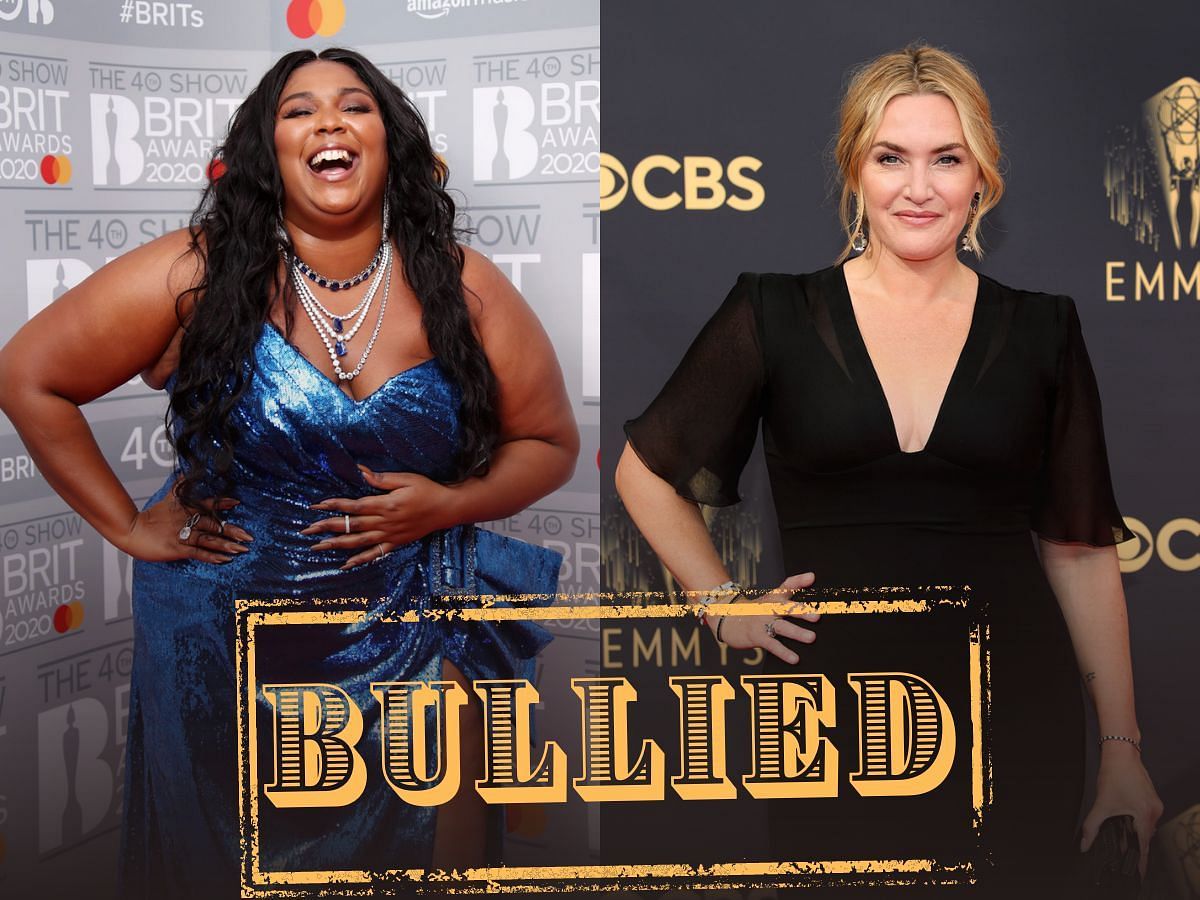
Many stars, including Selena Gomez and Lizzo, have gone offline after intense trolling. Gomez, who’s spoken about anxiety and depression, said: “I had to stop reading comments. It was killing me.”
2. Legal Action Vanessa Hudgens sued an online retailer for using her image to sell weight-loss teas without consent. Scarlett Johansson pursued legal action against a company using AI to replicate her voice.
These cases set precedents: your image and likeness aren’t up for grabs.
3. Therapy and Support Networks Therapy isn’t a luxury—it’s a necessity. Stars like Lady Gaga and Dwayne Johnson have normalized mental health care, emphasizing that emotional resilience is built, not inherent.
4. Public Reclamation Some turn pain into power. Lena Dunham faced years of body-shaming for her endometriosis-related weight changes. Instead of retreating, she published unretouched photos and wrote candidly about body autonomy.
“I am not here for your comfort,” she wrote. “I’m here for mine.”
Why This Isn’t Just a Celebrity Problem
While A-listers face amplified abuse, the mechanisms are the same ones used against everyday people—especially women, minorities, and LGBTQ+ individuals.
The trolling of celebrities normalizes cruelty. When millions laugh at a meme mocking someone’s nose, it signals: This is okay.
But it’s not. And more stars are refusing to play along.
The Future: Accountability, Empathy, Action
Change is possible—but it requires collective effort.
- Platforms must prioritize user safety over engagement. That means faster response times, AI that detects hate speech, and transparent reporting systems.
- Media outlets should stop republishing cruel memes under the guise of “viral news.”
- Fans can intervene by calling out abuse, supporting positive narratives, and recognizing that celebrities are human.
And for those targeted? The most powerful tool isn’t silence—it’s voice.
As Chloe Grace Moretz said after enduring years of online bullying: “You don’t have to accept it. You don’t have to smile. You just have to survive—and then thrive.”
Closing: Reclaim the Narrative
Relentless trolling over looks isn’t a Hollywood “side effect.” It’s a form of abuse enabled by culture, technology, and indifference. But when A-listers speak out, they’re not just sharing stories—they’re shifting power.
The next time you see a viral post mocking a celebrity’s appearance, ask: Who benefits? And what message does this send?
Your reaction matters. Silence fuels the cycle. Speaking up—especially in defense of someone else—breaks it.
FAQs
Why do celebrities get bullied more over their looks? Because their images are public property, and appearance is often tied to their marketability. This creates a false sense that their bodies are open for critique.
Can celebrities legally stop trolling? In cases involving doctored images, impersonation, or threats, yes. Defamation, harassment, and privacy laws can be enforced, though jurisdiction and platform cooperation vary.
Does trolling really affect mental health? Absolutely. Studies show prolonged exposure to online abuse leads to anxiety, depression, and PTSD symptoms—even in high-resilience individuals.
Why don’t more stars sue trolls? Many trolls are anonymous or based overseas, making legal action difficult. Plus, lawsuits can amplify the abuse by drawing more attention.
Are some celebrities “asking for it” by being in the spotlight? No. Public figures don’t forfeit their right to dignity. Criticism is valid; targeted harassment is not.
How can fans help stop celebrity bullying? By reporting abuse, avoiding engagement with harmful content, and supporting positive narratives through respectful interaction.
Is Hollywood doing enough to protect its stars? Not yet. While some studios offer PR support, mental health resources are still inconsistent. Industry-wide standards are needed.
FAQ
What should you look for in Hollywood Trolling Horror: A-Listers Reveal Relentless Bullying? Focus on relevance, practical value, and how well the solution matches real user intent.
Is Hollywood Trolling Horror: A-Listers Reveal Relentless Bullying suitable for beginners? That depends on the workflow, but a clear step-by-step approach usually makes it easier to start.
How do you compare options around Hollywood Trolling Horror: A-Listers Reveal Relentless Bullying? Compare features, trust signals, limitations, pricing, and ease of implementation.
What mistakes should you avoid? Avoid generic choices, weak validation, and decisions based only on marketing claims.
What is the next best step? Shortlist the most relevant options, validate them quickly, and refine from real-world results.