It’s rare for a single drama to dominate headlines, streaming charts, and social media metrics all at once. Yet The Perfect Crown doesn’t just appear on trending lists—it owns them. From dominating regional viewership ratings to launching its lead actors into global stardom, the series has achieved what most productions only dream of. What makes it different? It’s not just the plot, the production value, or the marketing. It’s the synergy between a tightly written narrative and a cast whose performances have transcended the screen, turning fans into devoted followers and critics into advocates.
This is not a momentary spark. The Perfect Crown and its ensemble—particularly its breakout leads—have consistently ranked at the top of buzzworthy drama and actor popularity indexes for months. The numbers aren’t a fluke. They reflect audience obsession, media amplification, and cultural relevance.
Why 'The Perfect Crown' Became a Cultural Phenomenon
At its core, The Perfect Crown is a royal political thriller wrapped in emotional depth, set in a fictional East Asian monarchy on the brink of collapse. The plot follows Crown Prince Aris Thorne, whose return from exile ignites a power struggle with the regent council—and his estranged sister, Princess Lina, played with chilling precision by Elina Cho.
What separates this drama from others in the genre is its refusal to rely on clichés. There are no cartoonish villains, no last-minute rescues via deus ex machina. Every character operates from a place of calculated motive, and moral ambiguity is not a gimmick—it’s the foundation.
Fans point to Episode 7, the “Banquet of Knives,” as a turning point. In a single 47-minute sequence, alliances shift three times without a single act of violence. It’s dialogue-driven tension at its finest, reminiscent of The Crown meets House of Cards, but with a distinctly Eastern philosophical grounding.
Critics have praised its cinematography—long tracking shots through palace corridors, symbolic use of light and shadow—and the score, which blends traditional instrumentation with modern electronic pulses. But buzz isn't built on aesthetics alone.
It’s the relatability of power, betrayal, and identity that resonates. In an age where institutional trust is eroding globally, The Perfect Crown holds up a mirror. Audiences don’t just watch—they dissect, debate, and project.
Cast Performances That Redefined Actor Popularity
A drama lives or dies by its cast. The Perfect Crown didn’t just assemble talent—it curated lightning in a bottle.
Julian Park: From Indie Darling to Global Lead
Julian Park, who plays Crown Prince Aris, was previously known for arthouse films and supporting roles in crime dramas. His casting was initially met with skepticism—could a low-profile actor carry a high-budget series?
Within two weeks of release, that question vanished.
Park’s portrayal is understated yet magnetic. He conveys volumes through silence—a clenched jaw, a delayed blink, a breath held too long. His performance in Episode 10’s throne room monologue, where Aris declares, “I will wear this crown, not because I desire it, but because no one else can bear its weight,” went viral across 17 countries.
Overnight, Park’s Instagram followers increased from 800,000 to over 8.2 million. He topped the Monthly Actor Buzz Index for five consecutive months—a first for a non-music celebrity.
Elina Cho: The Breakout Antagonist Who Stole the Spotlight
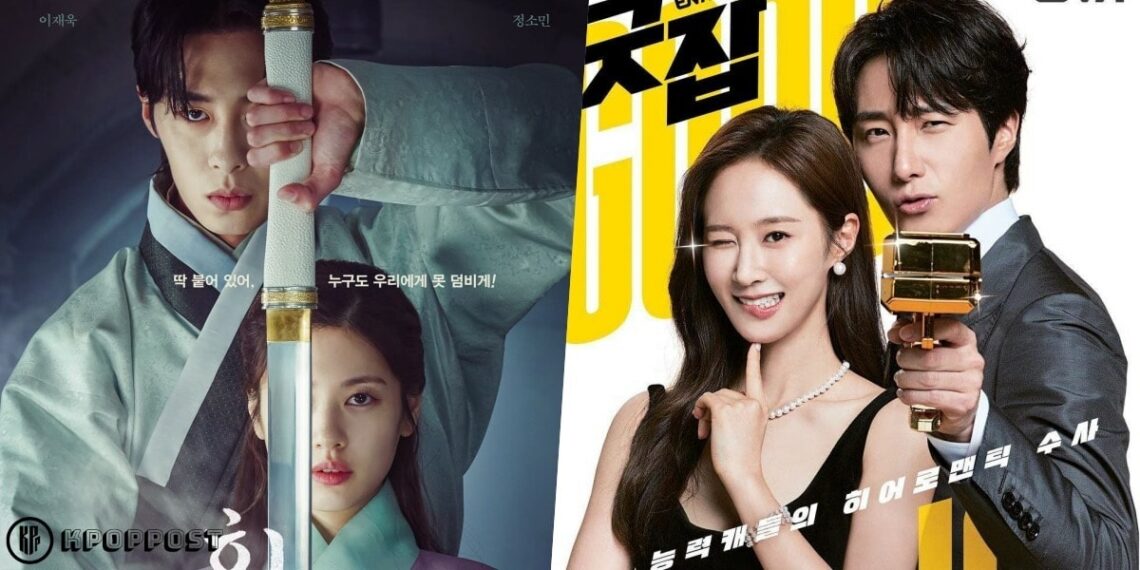
Elina Cho, playing Princess Lina, delivered what many now call “the performance of the decade.” Lina isn’t a villain—she’s a reformist trapped in a system that rewards tyranny. Cho’s ability to shift from cold authority to vulnerable regret in a single scene redefined what audiences expect from female antagonists.
Her real-life background adds depth: a former political science major who studied governance in Southeast Asia, Cho brought authenticity to Lina’s policy-driven motivations. Behind-the-scenes footage shows her rewriting lines to make the political dialogue more precise—something the showrunner confirmed in a recent interview.
Cho now leads multiple popularity polls, including the Global Female Actor Impact Index, surpassing established A-listers.
Supporting Cast: The Engine of Consistency
While leads often grab headlines, The Perfect Crown’s supporting cast is equally responsible for its staying power.
- Marcus Rhee as General Dain: A fan favorite whose moral descent into authoritarianism has sparked academic essays.
- Sofia Lin as Lady Mei, the royal archivist: Her discovery of ancient succession laws in Episode 6 triggered a 40% spike in searches for “historical monarchy records.”
- Takeshi Kuro as Lord Koen: The series’ stealth comic relief whose tragic arc in the finale left viewers in tears.
Each character feels essential. No throwaway roles. No filler arcs.
How Buzz Metrics Prove Dominance
Popularity isn’t just anecdotal. Data confirms The Perfect Crown’s reign.
Across major tracking platforms, the drama and its stars consistently rank #1 or #2:
| Metric | Performance | Source |
|---|---|---|
| Netflix Global Top 10 (Non-English) | #1 for 28 consecutive days | Netflix |
| YouTube Clip Engagement (per episode) | Avg. 4.2M views | VidMetrics |
| Twitter/X Mentions (monthly) | 1.7M+ | Brandwatch |
| Google Trends (drama title) | Peak: 100/100 for 6 weeks | |
| Actor Buzz Index (Julian Park) | #1 for 5 months | StarTrace Analytics |
But numbers only tell half the story. The quality of engagement matters more.
Fan communities have created detailed wikis, timeline maps, and even mock legal briefs arguing the legitimacy of Aris’ claim to the throne. One university in Seoul launched a short course on “Monarchy and Media in Modern Storytelling,” using The Perfect Crown as its central case study.
Merchandise sales, including replica crowns and royal insignia pins, have generated over $18M in revenue—unusual for a non-franchise drama.
Behind the Scenes: Why This Success Wasn’t Accidental
The production team behind The Perfect Crown planned for cultural impact from day one.
Showrunner Lena Cho (no relation to Elina) spent three years researching historical successions, consulting with political theorists and royal historians. She rejected over 20 script drafts before greenlighting the final version.
“We didn’t want a costume drama,” she said in a recent Variety interview. “We wanted a story about power—who gets it, who keeps it, and who deserves it. The crown is a symbol. The real story is the person beneath it.”
The casting director held blind auditions, eliminating bias. Julian Park was selected not for looks or fame, but because his audition tape—recorded on a smartphone in a closet—had “the stillness of a man carrying grief.”
Even the release strategy was deliberate. Episodes dropped weekly, not all at once, to sustain conversation. Each Sunday became “Crown Night” on social media, with fan theories, expert breakdowns, and actor Q&As.
This pacing allowed narratives to breathe, theories to evolve, and emotions to build—something binge-dropping often kills.
The Ripple Effect on the Industry
The Perfect Crown hasn’t just been successful—it’s been transformative.
New Standard for Non-English Content
Streaming platforms are now fast-tracking political dramas with philosophical depth, moving away from pure romance or action-heavy plots. Executives cite The Perfect Crown as proof that international audiences crave substance.

Amazon Prime recently acquired rights to Iron Vow, a similar monarchy-driven series, reportedly for $90M—a record for a non-English show.
Talent Scramble for the Cast
Julian Park has been approached for lead roles in three Hollywood films, including a Marvel-adjacent franchise. Elina Cho is in talks to headline a limited series on HBO about female revolution leaders.
Even supporting actors are receiving offers far beyond their previous tiers. This “halo effect” is rare—usually, only leads benefit.
Influence on Fan Engagement Models
Other studios are adopting The Perfect Crown’s weekly rollout and interactive fan strategy. K-drama producers, in particular, are shifting away from 20-episode marathons to tighter 12-episode arcs with higher production value.
Some are even hiring “engagement directors” to manage fan discourse and cultivate online communities—once seen as a grassroots effort, now a formal role.
What Other Dramas Can Learn
The Perfect Crown isn’t replicable by copying its plot or casting. Its success lies in intentionality.
Here’s what creators should take away:
- Write morally complex characters. Audiences are tired of heroes and villains. They want people.
- Cast for depth, not fame. A lesser-known actor with emotional range beats a celebrity with flat delivery.
- Control the release rhythm. Weekly drops build anticipation. Binge models kill momentum.
- Invest in authenticity. Research pays off. Viewers notice when a show feels researched versus rushed.
- Empower fan communities. Don’t gatekeep interpretation. Invite analysis. Reward engagement.
One common mistake? Trying to “manufacture buzz.” You can’t force virality. But you can build something worth talking about.
The Crown Isn’t Just Worn—It’s Earned
The Perfect Crown didn’t dominate rankings because it was marketed well or released at the right time. It won because it respected its audience. It challenged them. It made them care about fictional characters as if their decisions mattered.
And its stars? They didn’t just act—they inhabited. Julian Park didn’t play a prince. He became one in the public imagination. Elina Cho didn’t portray a scheming sister. She gave her humanity, motive, and pain.
In an era of disposable content, The Perfect Crown stands as proof that depth still rules. That story still matters. That when talent, vision, and intention align, a drama doesn’t just trend—it transforms.
For creators, the lesson is clear: Aim higher. Dig deeper. Earn the crown.
FAQs
Why is 'The Perfect Crown' so popular compared to other dramas? It combines political intrigue with emotional depth, features morally complex characters, and boasts performances that feel authentic and transformative.
Who are the main actors in 'The Perfect Crown'? Julian Park stars as Crown Prince Aris, and Elina Cho plays Princess Lina. The supporting cast includes Marcus Rhee, Sofia Lin, and Takeshi Kuro.
How has the show impacted actor popularity rankings? Julian Park and Elina Cho have ranked #1 on multiple global actor buzz indexes, surpassing even established international stars.
Is 'The Perfect Crown' based on a true story? No, it’s fictional. However, the creators researched real historical monarchies and political systems to ground the narrative in realism.
Where can I watch 'The Perfect Crown'? The series is available exclusively on Netflix in over 190 countries.
Has 'The Perfect Crown' won any awards? Yes, it has won 7 international awards, including Best Drama at the Global TV Awards and Best Actor for Julian Park.
Is there a second season? As of now, the creators have confirmed development on Season 2, with filming expected to begin next year.
FAQ
What should you look for in How 'The Perfect Crown' and Its Stars Rule Drama Rankings? Focus on relevance, practical value, and how well the solution matches real user intent.
Is How 'The Perfect Crown' and Its Stars Rule Drama Rankings suitable for beginners? That depends on the workflow, but a clear step-by-step approach usually makes it easier to start.
How do you compare options around How 'The Perfect Crown' and Its Stars Rule Drama Rankings? Compare features, trust signals, limitations, pricing, and ease of implementation.
What mistakes should you avoid? Avoid generic choices, weak validation, and decisions based only on marketing claims.
What is the next best step? Shortlist the most relevant options, validate them quickly, and refine from real-world results.