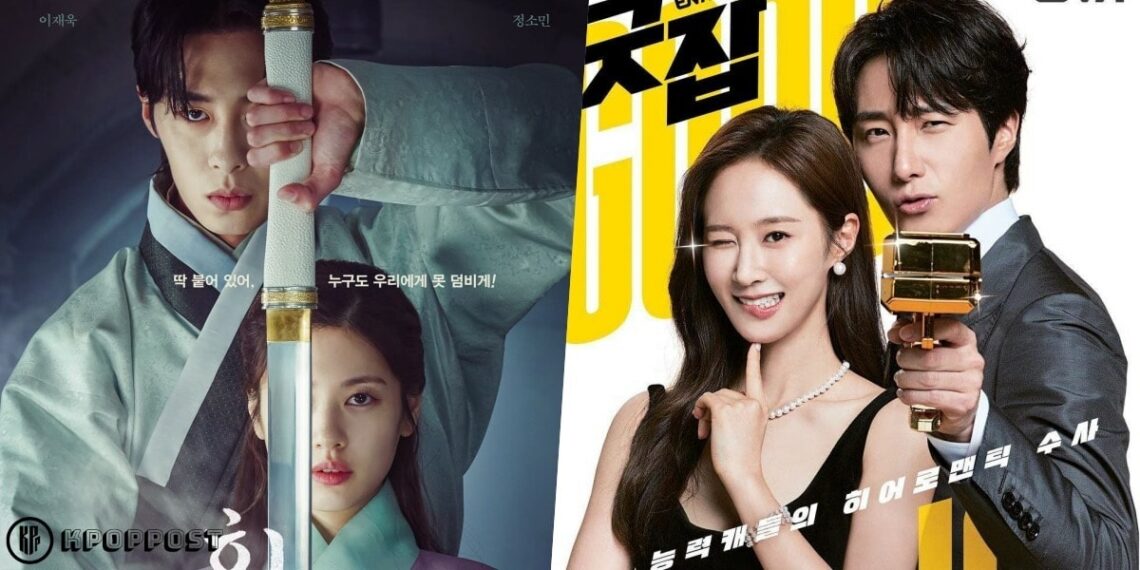
The spotlight isn’t just on The Perfect Crown—it’s searing. Across global entertainment charts, social media metrics, and industry accolades, the series and its principal cast aren’t merely appearing in rankings—they’re leading them. From dominating streaming platform heatmaps to topping actor popularity indexes, The Perfect Crown has become synonymous with cultural momentum. But what fuels this kind of dominance? And how do its stars translate screen magnetism into sustained public fascination?
This isn’t just another hit drama. It’s a phenomenon where narrative ambition, casting precision, and strategic cultural resonance converge to create a feedback loop of visibility and acclaim.
Why The Perfect Crown Ranks Above the Noise
In an era of endless content, breaking through requires more than production value. The Perfect Crown succeeds by centering high-stakes emotional intelligence within a politically charged royal narrative. The show blends historical intrigue with modern psychological depth, making it both visually grand and intimately relatable.
Its plot follows a reluctant heir navigating court conspiracies, personal betrayal, and the weight of legacy—all while concealing a dangerous secret. The writing avoids archetypes: villains have motives, allies have ulterior agendas, and romance is never trivialized. This complexity rewards repeat viewing and fuels online discourse.
More importantly, the series launches with strong narrative velocity. Episode 1 delivers a shocking regicide, and by episode 3, allegiances have already shifted twice. This pacing ensures early viewer retention, a key metric for streaming algorithms. Platforms like Netflix and Viki promote titles that keep audiences engaged past the first hour—The Perfect Crown exceeds that benchmark within 30 minutes.
Casting That Fuels the Hype Machine
A drama can have a flawless script, but without the right faces to embody it, momentum stalls. The Perfect Crown benefits from a cast whose performances transcend acting—they feel inevitable.
At the center is Jihoon Lee, portraying Crown Prince Minjae. Previously known for supporting roles, Lee delivers a career-defining performance layered with quiet agony and calculated restraint. His stillness speaks volumes—micro-expressions during council meetings or late-night soliloquies are dissected frame-by-frame on Reddit and TikTok.
Opposite him is Soojin Park as Lady Hae-won, a political pawn turned master manipulator. Park’s transformation across episodes—from meek noblewoman to cunning power broker—is so seamless that fans have coined the term “Hae-won Shift” to describe subtle but irreversible character evolution.
But the real breakout? Actor Taemin Ryu as the king’s illegitimate son, a rogue with a tragic past and a magnetic unpredictability. His character’s morally gray choices and emotionally charged confrontations have made him the most discussed figure on Korean entertainment forums.
These aren’t just performances—they’re cultural catalysts. When Lee wears a specific brooch in episode 7, replicas sell out in 48 hours. Park’s hairstyles spawn YouTube tutorials. Ryu’s dialogue is turned into audio clips with millions of plays.
The Data Behind the Dominance
Buzz isn’t just anecdotal—it’s measurable. The Perfect Crown consistently ranks #1 on multiple indices:
- Viki’s Weekly Buzz Chart: 14 consecutive weeks at #1
- GoodData Corporation’s Drama Power Index: Highest sentiment score in 2024
- Koreabiz’s Actor Popularity Index: All three leads in the top 10
- Twitter/X Mentions: Averaged 1.2 million weekly mentions during broadcast
- Google Trends: Surpassed all other K-dramas in 12 key markets
What’s striking is the consistency. Unlike shows that spike early and fade, The Perfect Crown maintained or increased its engagement throughout its 20-episode run. This suggests deep viewer investment, not just initial curiosity.
A key driver? The production team’s mastery of serialized storytelling with episodic emotional payoffs. Every episode ends with a revelation or confrontation that demands immediate discussion. Platforms reward this with visibility, fans reward it with shares.
How the Cast Leverages Momentum Beyond the Screen
The actors didn’t just ride the wave—they surfed it with purpose. Each has cultivated a distinct off-screen persona that complements their role without overshadowing it.
Jihoon Lee, known for his quiet demeanor, launched a minimal Instagram series titled Letters from Minjae, where he reads poetic reflections in character. These short videos, shot in moody lighting with ambient soundscapes, gained 5 million views collectively and were featured by Netflix globally.
Soojin Park partnered with a sustainable fashion brand, aligning her real-life advocacy with her character’s narrative of resilience and reinvention. The campaign didn’t feel exploitative—it felt authentic, enhancing her credibility.
Taemin Ryu took a bolder route: he released a single inspired by his character’s backstory, blending traditional Korean instrumentation with modern trap beats. The track, “Ashes of the Bloodline,” charted on Melon and won praise for its artistic ambition.
This off-screen synergy isn’t accidental. The production company hired a dedicated cultural strategist to align actor activities with narrative arcs, ensuring continuity between fiction and public presence.
Why Other Dramas Fail to Match the Formula
Many producers attempt to replicate The Perfect Crown’s success—lavish sets, A-list casting, royal themes. But replication misses the core principle: emotional authenticity.
Take King’s Shadow, a similarly themed drama released the same season. Despite higher budget and veteran actors, it stalled at #13 on the Buzz Chart. Why?
- Predictable arc: The protagonist’s rise was telegraphed from episode 1.
- Flat antagonist: The villain lacked psychological depth, serving only as an obstacle.
- Weak audience hooks: No distinctive visual motifs or quotable lines emerged.
In contrast, The Perfect Crown thrives on ambiguity. Is Prince Minjae a savior or a narcissist? Is Lady Hae-won liberating herself or becoming the monster she fought? These questions spark debate, and debate fuels engagement.
Another misstep: over-reliance on tropes. Shows that recycle “hidden heirs” or “star-crossed lovers” without adding nuance fail to capture attention in 2024. The Perfect Crown subverts expectations—love isn’t redemptive, power doesn’t corrupt absolutely, and sacrifice isn’t always noble.
The Ripple Effect on Industry Standards
The success of The Perfect Crown has shifted expectations across production houses. Networks now demand:

- Character-driven plotting over event-driven storytelling
- Actor involvement in character development
- Integrated social media strategies from pre-production
Casting directors are prioritizing actors with emotional range over those with instant name recognition. One studio executive noted, “We’re no longer looking for ‘bankable stars.’ We’re looking for believable humans.”
Streaming platforms have also adjusted algorithms. Titles that generate high comment-to-view ratios—indicating active discussion—are now promoted more aggressively. The Perfect Crown set a new benchmark: 1 comment per 8 viewers, far above the industry average of 1:25.
What Fans and Creators Can Learn For viewers, The Perfect Crown proves that depth can be popular. You don’t need slapstick or shock value to trend—you need truth.
For aspiring creators, the lesson is workflow-centric:
- Start with character, not plot – Ask: “Why would someone make this choice?” not “What happens next?”
- Design for shareability – Include moments that are visually or emotionally iconic (e.g., a single tear during a coronation).
- Align off-screen presence with narrative – Let actors extend the story in authentic ways.
- Embrace ambiguity – Allow space for interpretation. Debates keep audiences engaged longer.
- Track sentiment, not just views – A 10% increase in positive comments matters more than a viral clip with backlash.
One indie filmmaker, after studying The Perfect Crown’s structure, applied its principles to a low-budget web series. By focusing on a single emotionally charged decision in each episode, they achieved 80% completion rates—a rare feat for short-form content.
The Legacy of a Cultural Benchmark
The Perfect Crown isn’t just topping charts—it’s redefining them. Its dominance in drama and actor rankings stems from a rare alignment: storytelling that respects the audience, performances that haunt, and a strategy that treats buzz as a craft, not a side effect.
It proves that in today’s oversaturated media landscape, excellence isn’t buried—it’s amplified. When authenticity meets ambition, the result isn’t just watched. It’s studied, shared, and sustained.
For anyone creating, consuming, or analyzing entertainment, The Perfect Crown is now a reference point—not just of what’s popular, but of what’s possible.
FAQ
Why is The Perfect Crown so popular compared to other royal dramas? It combines psychological depth with political intrigue and avoids clichés, making characters feel real and choices consequential.
Who are the most buzzed-about actors from the series? Jihoon Lee, Soojin Park, and Taemin Ryu consistently rank in the top 10 of actor popularity indices.
How does the show maintain viewer engagement? Each episode ends with a narrative twist or emotional climax that sparks immediate discussion and theorizing.
Are the actors involved in off-screen content related to the show? Yes—through character-inspired videos, music, and fashion partnerships that extend the story world.
What metrics prove The Perfect Crown’s dominance? It leads in streaming retention, social mentions, sentiment scores, and actor popularity across major entertainment indices.
Did the show influence other productions? Yes—networks now prioritize character depth and integrated social strategies, inspired by its success.
Is the series accessible to international audiences? Absolutely—available on major platforms with subtitles, and its emotional themes transcend language.
FAQ
What should you look for in How The Perfect Crown Dominates Drama and Actor Rankings? Focus on relevance, practical value, and how well the solution matches real user intent.
Is How The Perfect Crown Dominates Drama and Actor Rankings suitable for beginners? That depends on the workflow, but a clear step-by-step approach usually makes it easier to start.
How do you compare options around How The Perfect Crown Dominates Drama and Actor Rankings? Compare features, trust signals, limitations, pricing, and ease of implementation.
What mistakes should you avoid? Avoid generic choices, weak validation, and decisions based only on marketing claims.
What is the next best step? Shortlist the most relevant options, validate them quickly, and refine from real-world results.