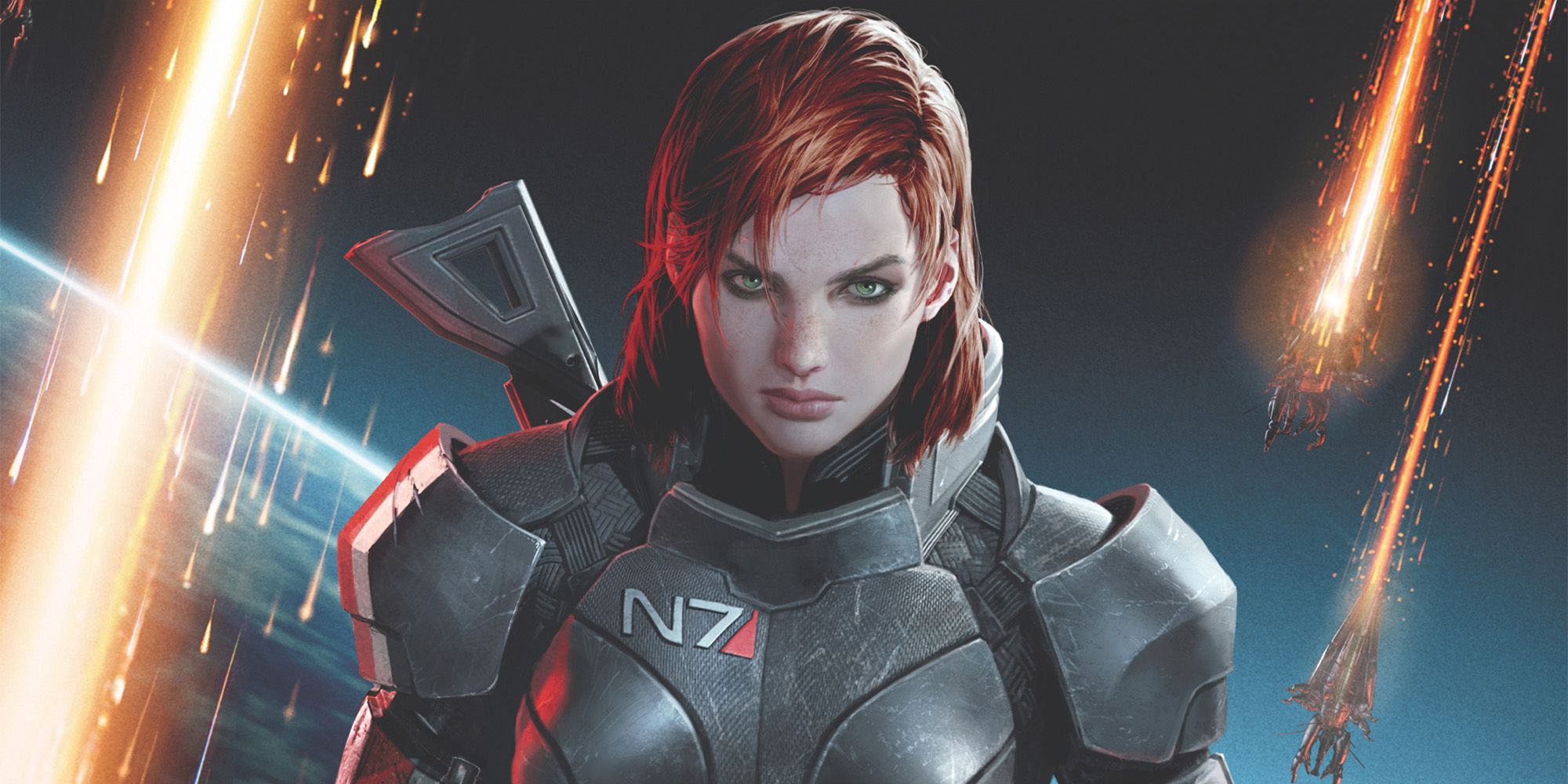
Daniel Sands never expected to be back in the pilot’s seat. Years after Mass Effect 3 concluded one of gaming’s most emotionally charged sagas, the actor who voiced Conrad Verner—the self-proclaimed “biggest Mass Effect fan”—is speaking out about the character’s unexpected return in a recent DLC.
Verner was never meant to be taken seriously. Introduced in the first Mass Effect as a nervous, fanboy civilian idolizing Commander Shepard, he became a meme before memes were central to gaming culture. He reappeared in Mass Effect 2, having joined Cerberus due to Shepard’s influence, and in Mass Effect 3, met a heroic end… only if the player saved him. Otherwise, he died pointlessly during a bungled fan convention.
His return in Mass Effect: Legendary Edition – New Horizon, a fan-supported mod now under cautious official acknowledgment, reignited a long-dormant debate: should characters like Conrad Verner—intentionally awkward, borderline cringey—ever come back? And more importantly, what does the actor think about it?
Sands does not mince words: “I didn’t think we’d ever talk about Conrad again. But here we are. And honestly? I’m not mad.”
Why Conrad Verner Sparks Such Strong Reactions
Conrad Verner isn’t just a side character. He’s a mirror.
When he first appears on Noveria, fan in hand, fumbling through hero worship, players see a version of themselves—the obsessive, emotionally invested gamer who wears their fandom on their sleeve. But where most of us filter that enthusiasm, Verner embodies it unapologetically.
That’s why reactions are so polarized.
- Supporters argue he adds levity and self-awareness to the Mass Effect universe. His arc—from naive fan to reluctant revolutionary—mirrors player growth.
- Critics call him tone-deaf, an awkward joke that overstays its welcome. His later involvement with Cerberus feels forced, a narrative stretch to justify fan service.
The controversy isn’t about the character alone. It’s about how BioWare handles player identity. By making Verner a reflection of the player, they risk alienating anyone who doesn’t see themselves in that image.
And when that character returns years later—older, wiser, still recognizable—old wounds resurface.
Sands on Reprising Conrad: “It Wasn’t Just Nostalgia”
When developers approached Sands about recording new dialogue, his first instinct was skepticism. “We’re bringing back who?” he said in a recent interview with N7 Dispatch. “The guy who tripped over his own feet meeting Shepard?”
But the pitch changed his mind.
The new narrative threads Verner into the galactic underground, a civilian intelligence broker using his obsession with Shepard to protect refugee colonies from rogue synth factions. No longer a fan—he’s now a symbol.
“It wasn’t just nostalgia. It was evolution,” Sands explained. “They gave him stakes. Consequences. He’s not just excited to see Shepard—he’s terrified of failing them.”
That shift—from comic relief to reluctant leader—gave Sands the emotional grounding he needed to return. “I didn’t want to play a joke again. But playing someone who once was a joke, and now carries real weight? That’s interesting.”
The Problem With Bringing Back Divisive Characters
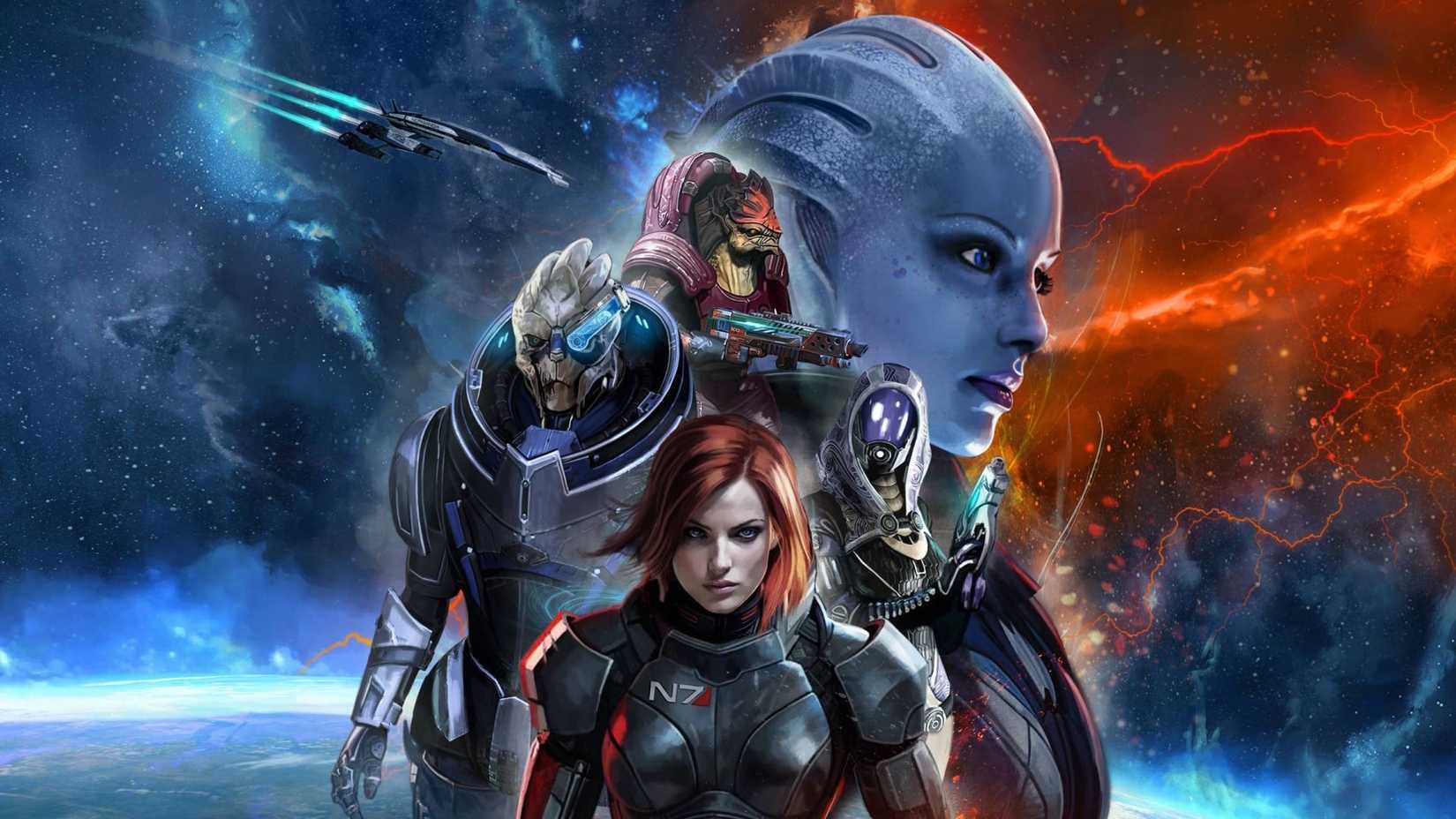
Reintroducing controversial figures isn’t unique to Mass Effect. The Last of Us Part II brought back minor characters with polarizing arcs. Star Wars resurrected legacy figures with mixed results. But few franchises tie character perception so closely to player choice.
And that’s where the real tension lies.
In Mass Effect, your decisions shape the universe. You might have saved Verner. You might have told him to grow up and walked away. Either way, your Shepard influenced who he became—if he survived at all.
So when a new entry assumes Verner is alive, it overrides player agency. It retroactively invalidates one of the series’ core promises: your choices matter.
Sands acknowledges this: “There’s a line between honoring legacy and overruling the player. I get why people are upset. If your Shepard let him die, seeing him back feels like a betrayal.”
Yet he adds: “Maybe this isn’t the same timeline. Maybe it’s an echo. Or a ‘what if?’ That’s part of the fun of sci-fi.”
How BioWare Navigates Fan Service Without Undermining Story
BioWare has a history of walking the tightrope between fan service and narrative integrity. Garrus, Tali, Liara—fan favorites who earned their longevity through consistent development. Verner never had that depth.
Or did he?
Looking back, Verner’s arc is one of the few in the trilogy not tied to war, politics, or romance. It’s purely personal. His motivation? To be worthy of admiration.
In that light, his return isn’t just fan service—it’s thematic reinforcement.
- In ME1, he asks Shepard how to be a hero.
- In ME2, he tries to live up to that ideal, joining Cerberus (a flawed choice).
- In ME3, he either dies trying to help or survives to inspire others.
- Now, in the new content, he’s mentoring a new generation.
This isn’t random resurrection. It’s a deliberate commentary on legacy—how ideals pass from one generation to the next, even when imperfectly embodied.
Sands puts it simply: “Conrad’s not a hero. But he tries. Isn’t that what matters?”
What Other Actors Say About Their Controversial Roles
Sands isn’t alone in grappling with a polarizing legacy character.
Across gaming, actors reflect on roles that fans love to hate—or hate to love:
- Laura Bailey (Kait Diaz, Gears 5) faced criticism for Kait’s mysterious backstory being underdeveloped. “I knew people were frustrated,” she said. “But we were building something slow. Trust the process.”
- Troy Baker (Joel, The Last of Us) defended Joel’s morally ambiguous choices: “He’s not always right. But he’s human. That’s the point.”
- Ashly Burch (Aloy, Horizon) acknowledged early backlash to Aloy’s “chosen one” trope: “We leaned into it, then deconstructed it. That’s how you evolve a divisive premise.”
Like them, Sands sees growth potential in criticism. “If everyone loved Conrad immediately, there’d be no story. Conflict is where change happens.”
Can Verner’s Return Redeem the Character?
Redemption isn’t guaranteed. But the new material gives Verner tools he never had:
- Agency: He’s no longer reacting to Shepard—he’s acting on his own convictions.
- Maturity: His dialogue drops the fawning tone. He’s humble, not desperate.
- Purpose: He’s protecting civilians, not chasing autographs.
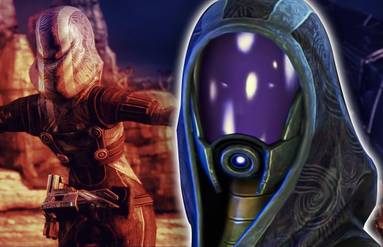
One standout scene has him confronting a rogue AI that mimics Shepard’s voice. Instead of obeying, he says: “I followed Shepard once. But I don’t follow ghosts.”
It’s a quiet moment. No explosions. No grand speeches. But for fans who dismissed Verner as a joke, it’s a revelation.
Sands called it “the scene that changed my mind about coming back. That line isn’t about him idolizing Shepard. It’s about him becoming his own person.”
What This Means for the Future of Mass Effect
The return of Conrad Verner isn’t just about one character. It signals a broader shift in how BioWare might approach legacy content.
Instead of only focusing on fan favorites or high-stakes operatives, Mass Effect could explore the ripple effects of Shepard’s influence on ordinary people. Civilians. Survivors. The ones who weren’t soldiers, but were still changed by war.
That’s fertile ground.
And if handled with care—acknowledging player choice, honoring continuity, avoiding glorification—characters like Verner could become more than punchlines. They could become proof that anyone can grow.
Sands hopes that’s the takeaway: “Maybe Conrad wasn’t a great character at first. But he was honest. And maybe honesty is enough to start with.”
Final Thoughts: Embracing the Uncomfortable Returns
Not every character return will be universally celebrated. Some will feel forced. Others, like Verner’s, will challenge us to reconsider what we dismissed too quickly.
For players, the lesson is clear: don’t judge a character’s worth by their first appearance. Growth matters. Context matters. And sometimes, the most annoying fan becomes the one who remembers what the hero stood for—long after the credits roll.
For developers, the message is sharper: bring back controversial figures only if you’re ready to evolve them. Respect the past, but don’t be trapped by it.
And for Daniel Sands? He’s just glad Conrad finally got a second chance.
“If we’re lucky,” he says, “maybe we all do.”
FAQ
Why is Conrad Verner considered controversial in Mass Effect? He’s seen by some as an awkward, cringeworthy fan insert—too self-aware and out of place in a serious sci-fi narrative. Others appreciate his humility and growth.
Did the Mass Effect developers consult players before bringing him back? No official consultation occurred, but fan modding communities heavily influenced the narrative direction of the New Horizon content.
Can you skip Conrad Verner’s missions in the new DLC? Yes. His quests are optional, allowing players to engage only if interested.
Does his return contradict previous player choices? In some timelines, yes. The DLC assumes Verner survived Mass Effect 3, which may override player decisions from the original trilogy.
What does Daniel Sands think of the hate toward Conrad? He understands it. He’s said the character was meant to be uncomfortable at first, but that growth was always part of the plan.
Is Conrad Verner present in Mass Effect: Legendary Edition by default? No. His new appearances are part of a modded expansion, not the base remaster.
Could Verner appear in a future Mass Effect game? Nothing is confirmed, but his return in official-adjacent content suggests BioWare may be testing audience reception for civilian-focused stories.
FAQ
What should you look for in Mass Effect Actor Breaks Silence on Controversial Character Return? Focus on relevance, practical value, and how well the solution matches real user intent.
Is Mass Effect Actor Breaks Silence on Controversial Character Return suitable for beginners? That depends on the workflow, but a clear step-by-step approach usually makes it easier to start.
How do you compare options around Mass Effect Actor Breaks Silence on Controversial Character Return? Compare features, trust signals, limitations, pricing, and ease of implementation.
What mistakes should you avoid? Avoid generic choices, weak validation, and decisions based only on marketing claims.
What is the next best step? Shortlist the most relevant options, validate them quickly, and refine from real-world results.