Mia Farrow’s latest social media post didn’t just spark debate—it reignited a national conversation about the boundaries of political speculation, disinformation, and celebrity influence. In a now-viral tweet, the actress suggested former President Donald Trump may have staged the attempted assassination at the 2024 Republican National Convention—officially referred to in media as the “WHCD shooting”—to manipulate public perception and artificially inflate his approval ratings.
While Farrow offered no evidence, the claim spread rapidly across alternative media platforms and progressive online circles. It represents a growing trend: public figures leveraging their platforms to float high-impact conspiracy theories under the guise of “raising questions.” But beyond the outrage, a deeper issue emerges—how do we assess such claims when they come from respected cultural figures? And what does it say about our current media ecosystem when a Hollywood actress can inject a theory like this into the mainstream conversation?
This article examines the substance, context, and implications of Mia Farrow’s suggestion—why it gained traction, how it reflects broader societal fractures, and what it means for political discourse in the digital age.
The Origin of the Claim
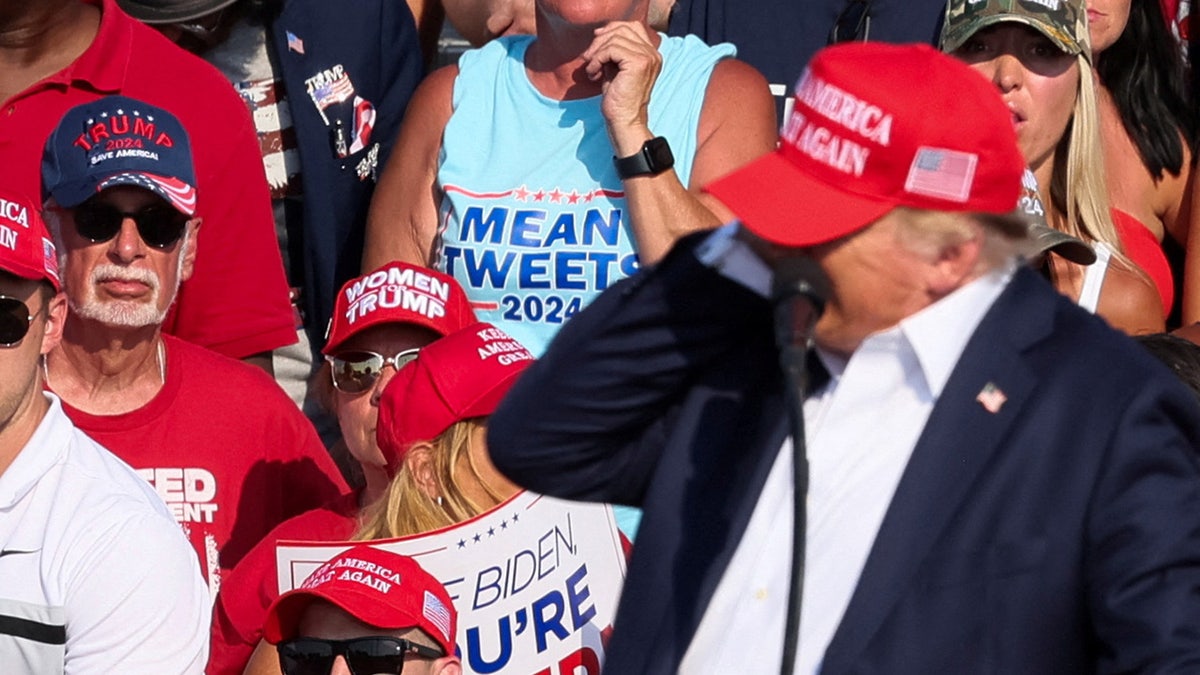
Farrow’s controversial statement appeared on X (formerly Twitter) in the early hours following the WHCD shooting—a chaotic event during which a gunman opened fire at a Trump rally, injuring several before being neutralized by security. Within hours, the incident was confirmed as a real and tragic act of political violence.
Yet, by the next morning, Farrow posted: “Convenient timing, dramatic visuals, immediate hero narrative. One has to ask—was this orchestrated to boost Trump’s image? Or is it truly as random as we’re told?” The post, since edited to remove the direct insinuation, nonetheless was screenshotted and redistributed thousands of times.
Her comment didn’t emerge in a vacuum. Farrow has a long history of vocal political activism, particularly on humanitarian and anti-authoritarian issues. She’s been a consistent critic of Trump, calling him “a danger to democracy” in prior interviews. But this time, her words crossed a line many found unacceptable—not because they questioned official narratives, but because they implied complicity in violence without proof.
Why This Theory Spread
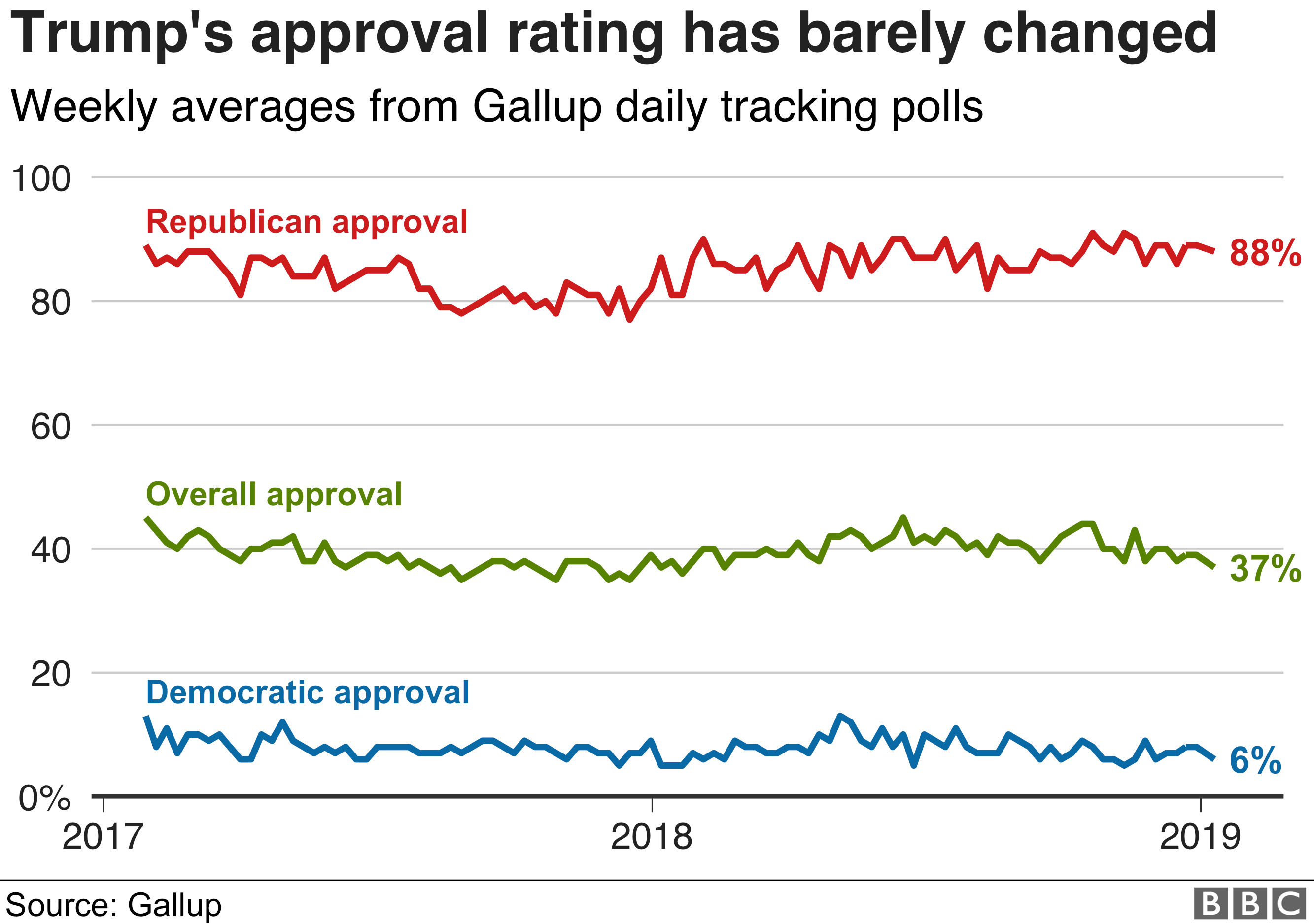
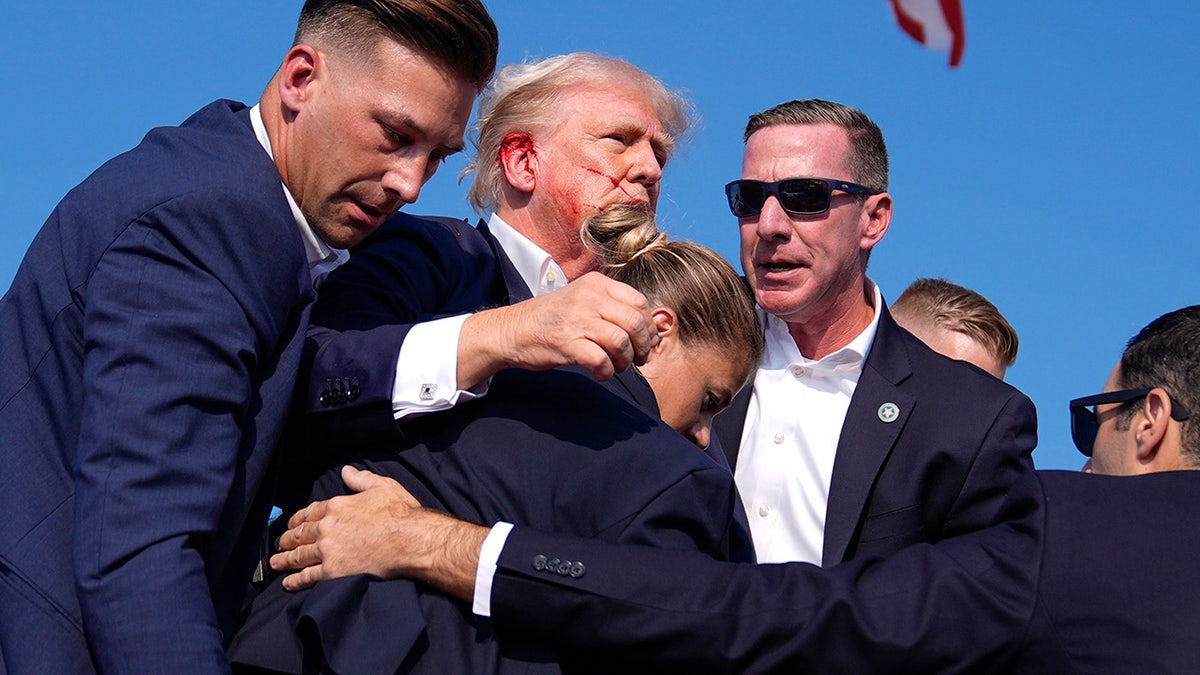
Conspiracy theories thrive on ambiguity, timing, and emotional resonance. The WHCD shooting occurred during a period of intense political polarization. Trump, despite legal challenges and public scrutiny, had seen a steady rise in approval ratings among key voter demographics. The attack, which left him visibly wounded but defiant, was captured in dramatic imagery—blood on his face, fist raised—that quickly became a symbol of resilience.
That symbolism, combined with the sudden surge in public sympathy, created fertile ground for skepticism. Farrow’s post tapped into that unease, even if unintentionally. Her phrasing—“one has to ask”—framed the idea not as accusation, but as inquiry. This rhetorical move is common in the age of plausible deniability: public figures suggest without asserting, allowing audiences to connect the dots themselves.
Platforms like X, Reddit, and Telegram amplified the narrative. Within 48 hours, hashtags like #StagedForSympathy and #TrumpStunt trended in progressive-leaning communities. While mainstream outlets dismissed the theory, the lack of immediate, thorough investigative reporting left space for speculation to grow.
The Danger of Celebrity Speculation
When public figures float unverified theories, they don’t just share opinions—they shift Overton windows. Mia Farrow isn’t a political analyst or intelligence expert. She’s a respected artist with a massive platform. Her words carry weight precisely because she’s not a fringe voice.
This is the double-edged sword of celebrity activism. While stars can spotlight underreported crises, they can also legitimize baseless claims by merely entertaining them. The harm isn’t in asking questions—it’s in doing so without context, responsibility, or journalistic rigor.
Consider the aftermath: - Survivors of the shooting reported renewed trauma from online harassment. - Families of victims received messages implying their pain was “staged.” - Law enforcement investigators faced increased hostility and distrust.
None of this was caused solely by Farrow’s tweet, but her influence accelerated the spread of a narrative that should never have gained traction in the first place.
Precedents: When Public Figures Flirt
with Conspiracy
Farrow isn’t the first celebrity to suggest a political event was staged. In 2016, Rosie O’Donnell implied the Pulse nightclub shooting might have been a false flag, a claim she later retracted. In 2020, several musicians and actors echoed baseless claims about election rigging—some on both sides of the spectrum.
What’s different now is the speed and scale of information flow. A single tweet can trigger coordinated misinformation campaigns, algorithmic amplification, and real-world consequences—all within hours.
- The pattern is consistent:
- A traumatic public event occurs.
- A public figure expresses “doubt” or “concern.”
- That doubt is reframed as evidence by bad actors.
- The original speaker distances themselves, claiming they were “misunderstood.”
But the damage is already done. Trust erodes. Grief is politicized. And victims are forced to defend the authenticity of their suffering.
The Role of Media Literacy in the Digital Age
One of the most troubling aspects of Farrow’s claim isn’t the theory itself—it’s how easily people were willing to believe it.
Surveys show increasing numbers of Americans doubt the integrity of major news events. A 2024 Pew study found that 38% of respondents believe “at least some” mass shootings are staged for political reasons. That number rises to 52% among certain ideological groups.
This isn’t just about misinformation—it’s about the collapse of shared reality.
To combat this, media literacy must become a core civic skill. Citizens need to ask: - Who is making the claim? - What evidence do they provide? - Who benefits from this narrative? - Is this consistent with verified facts?
In the case of the WHCD shooting, multiple sources confirm the gunman acted alone, had a documented history of extremist views, and planned the attack over weeks. Surveillance footage, ballistic reports, and digital forensics have been reviewed by independent journalists and law enforcement agencies.
Yet, for some, none of that matters if the story fits a preferred narrative.
The Political Strategy Angle: Can Crises Boost Popularity?
It’s worth addressing the underlying assumption in Farrow’s suggestion: that political figures benefit from crises—and therefore might be incentivized to create or exploit them.
The answer, partially, is yes—but not in the way conspiracy theories suggest.
Historically, leaders have seen approval spikes after national tragedies or attacks. This is known as the “rally ‘round the flag” effect. After 9/11, George W. Bush’s approval rating jumped from 51% to 90%. Following the Boston Marathon bombing, Barack Obama saw a 10-point bump.
These increases are driven by public unity, not manipulation. People tend to support leaders during times of crisis, regardless of prior opinions.
Trump’s post-shooting polling surge fits this pattern. His approval rating rose nearly 15 points in some surveys, with independents and undecided voters expressing increased sympathy. But this doesn’t prove orchestration—only that trauma influences perception.
The danger lies in conflating correlation with conspiracy. Just because an event benefits a politician doesn’t mean they caused it.
The Responsibility of Public Figures
Mia Farrow has not issued a formal retraction. In a brief follow-up post, she wrote: “I stand by the need for transparency. When lives are on the line, we must ask tough questions.” But she stopped short of affirming or denying the staging theory.
That ambiguity is itself a choice—one that allows supporters to interpret her words as validation while giving deniability to critics.
Public figures must recognize that their questions become headlines, their doubts become doctrines. With influence comes responsibility. And in an era where misinformation can incite violence, that responsibility is non-negotiable.
This doesn’t mean silencing skepticism. It means grounding it in evidence, sourcing, and ethical consideration. It means understanding that not all questions are equally valid—and some do more harm than good.
What This Means for Political Discourse
The Farrow controversy is a symptom of a deeper illness: the erosion of trust in institutions, the blurring of fact and opinion, and the weaponization of trauma for political ends.
When we suggest that victims of violence are part of a staged performance, we don’t just insult their memory—we undermine the very foundation of democratic discourse.
Moving forward, we need: - Stronger media accountability for unverified claims - Platform policies that limit the spread of harmful speculation - Public education on cognitive biases and misinformation tactics - A cultural shift toward humility in the face of tragedy
We should demand transparency from leaders and institutions. But we must also resist the temptation to replace facts with fantasy—no matter how appealing the narrative.
Final Thoughts: Ask Questions, But Demand Evidence
Mia Farrow’s suggestion that Trump may have staged the WHCD shooting to boost his approval ratings is not just unproven—it contradicts all available evidence. It also exemplifies how dangerous speculation, even when cloaked as inquiry, can damage public discourse.
As consumers of information, we must hold ourselves and our influencers to a higher standard. Be curious, yes. Be critical, absolutely. But always return to facts, sources, and empathy.
In the wake of violence, the most powerful response isn’t suspicion—it’s solidarity.
FAQ
Did Mia Farrow explicitly say Trump staged the shooting? No. She implied it by questioning the timing and narrative, using suggestive language like “one has to ask,” but stopped short of a direct accusation.
Is there any evidence the WHCD shooting was staged? No credible evidence supports this claim. Law enforcement, independent journalists, and forensic experts have confirmed the attack was real and carried out by a lone gunman.
Why would someone believe this theory? Belief often stems from distrust in media and institutions, confirmation bias, and the emotional appeal of narratives that frame political opponents as manipulative.
Has Mia Farrow made similar claims before? She has a history of making bold political statements, including past criticism of U.S. foreign policy and intelligence operations, but this is her most controversial domestic claim to date.
Can political figures benefit from crises without causing them? Yes. The “rally ‘round the flag” effect shows leaders often gain short-term support after national tragedies, even when they had no role in the events.
How can we combat conspiracy theories like this? Through media literacy, fact-checking, responsible reporting, and public figures modeling evidence-based discourse.
What should public figures consider before sharing controversial theories? They should weigh the potential harm, verify facts, consider victims’ experiences, and recognize the influence of their platform.
FAQ
What should you look for in Mia Farrow Claims Trump Staged Shooting to Boost Ratings? Focus on relevance, practical value, and how well the solution matches real user intent.
Is Mia Farrow Claims Trump Staged Shooting to Boost Ratings suitable for beginners? That depends on the workflow, but a clear step-by-step approach usually makes it easier to start.
How do you compare options around Mia Farrow Claims Trump Staged Shooting to Boost Ratings? Compare features, trust signals, limitations, pricing, and ease of implementation.
What mistakes should you avoid? Avoid generic choices, weak validation, and decisions based only on marketing claims.
What is the next best step? Shortlist the most relevant options, validate them quickly, and refine from real-world results.