The lights were low, the room was buzzing, and the evening was shaping up like any other high-profile Washington event—until the first loud noise cracked through the ballroom. For actor Zachary Levi, seated among journalists, lawmakers, and public figures at the White House Correspondents' Dinner (WHCD), the shift from gala to crisis was instantaneous. What followed wasn’t scripted, rehearsed, or prepared for—but Levi’s firsthand account offers one of the clearest glimpses into the commotion that unfolded behind closed doors when shots were reported near the event.
The Night Everything Changed Mid-Speech
The WHCD, traditionally a blend of political satire, red carpet glamour, and bipartisan networking, had reached its usual crescendo. Attendees were relaxed, some even laughing at the night’s comedic roasts, when distant pops echoed from outside the main ballroom at the Washington Hilton. At first, many mistook the sound for fireworks or a faulty speaker pop. But within seconds, the mood shifted.
Levi, best known for his roles in Chuck and Shazam!, was seated near the back of the room when he noticed a sudden freeze in the waitstaff’s movement. “One second, someone’s pouring water,” he later recounted in an interview, “the next, they’re ducking behind a cart like they’ve been trained for this.” That’s when he knew: this wasn’t part of the show.
Security personnel reacted swiftly. Some rushed toward the exits, others began directing guests toward interior corridors. Confusion rippled across tables as phones lit up with breaking news alerts—reports of an active shooting just outside the Hilton, where a protest had turned violent.
Inside the Ballroom: Panic, Silence, and Survival Instincts
Levi described the atmosphere as “surreal,” a strange limbo between disbelief and dread. “You’re in a room full of the most connected people in the country, and for a few minutes, everyone was just… silent. No one had answers.”
Some guests began whispering, others frantically texted loved ones. A few tried to livestream, only to be stopped by security. Phones were dimmed on command. The priority: avoid drawing attention, minimize movement, and stay away from exterior walls and windows.
One journalist nearby reportedly whispered, “This is how it happens. This is how it really happens.” Levi said the line stuck with him—the cold realization that such violence could infiltrate even the most guarded rooms.
Evacuation orders came minutes later, but not without confusion. Multiple exits were sealed, and conflicting instructions caused brief bottlenecks in hallways. Levi noted that while some staff acted professionally, others seemed unsure of protocols. “It was clear not everyone had gone through active shooter drills,” he said. “And when seconds count, hesitation spreads.”
Levi's Role in the Midst of Chaos
Though not a first responder, Levi’s calm demeanor reportedly helped steady a few panicked attendees. A fellow guest recalled him guiding a group of younger journalists toward a stairwell, repeating, “Stay low, stay quiet, stick together.”
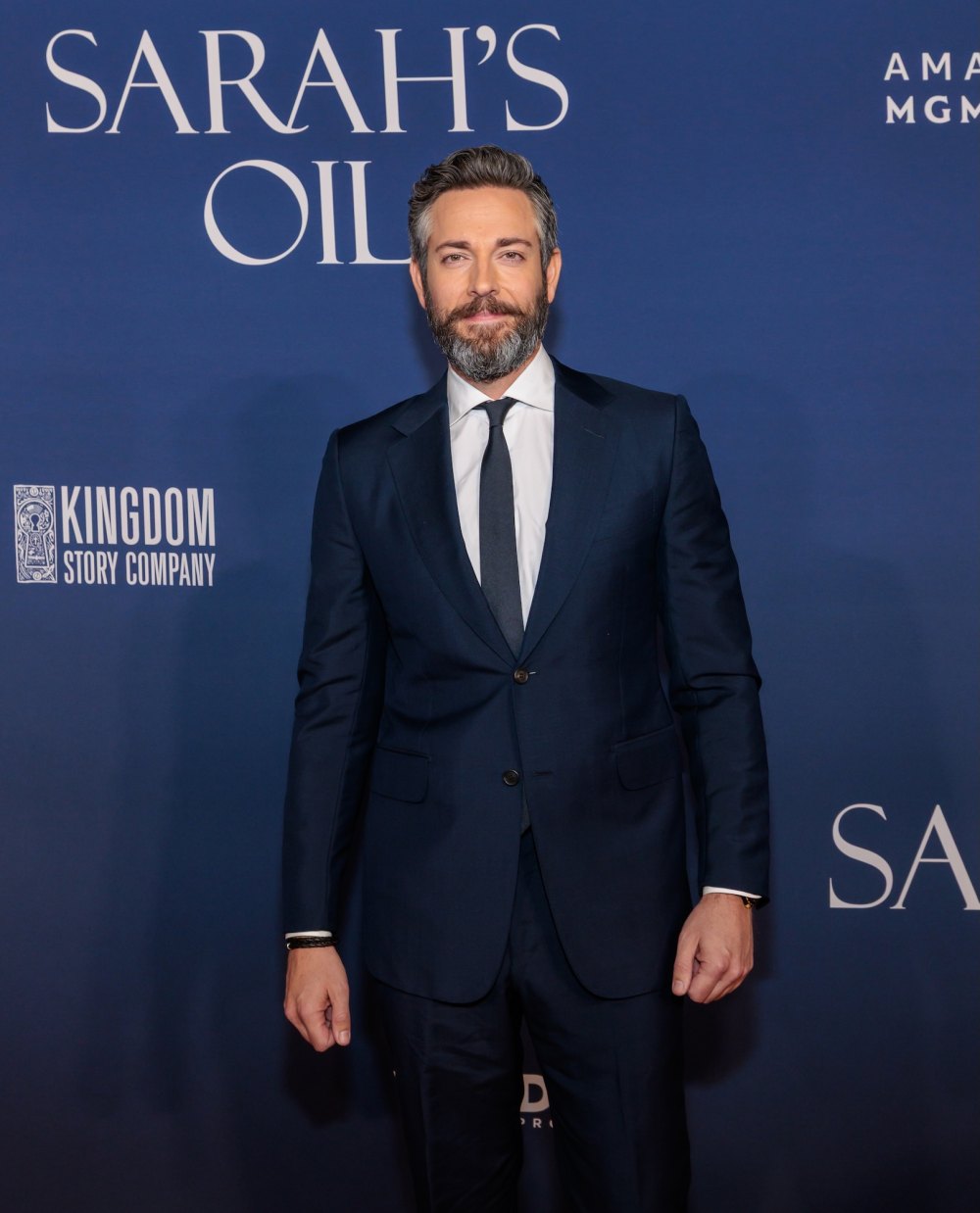
He didn’t position himself as a hero—“I was just another person trying not to make things worse,” he insisted—but his presence brought reassurance. Known for playing heroic figures on screen, some in the room looked to him instinctively, as if fiction could bleed into reality in a crisis.
Later, in a follow-up conversation with a news outlet, Levi reflected on the irony: “I play superheroes for a living, but in that moment, I felt completely powerless. Real courage isn’t capes. It’s the people in uniforms who moved first, the medics who ran toward the sound.”
Security Flaws Exposed by the Incident
The shooting outside the WHCD exposed glaring gaps in event security planning. Despite heightened awareness of political event threats, the proximity of an uncontrolled protest to a high-profile gathering raised serious questions.
- Perimeter Control: Protesters were allowed within 100 feet of the main entrance, well within range for projectile attacks or gunfire.
- Internal Coordination: Multiple security agencies (Secret Service, DC Metro Police, private event security) operated with unclear command lines.
- Guest Communication: No public announcement was made inside the ballroom for nearly seven minutes after the first shots.
Levi emphasized that attendees deserved better: “We weren’t told what was happening. No all-clear, no instructions until people started taking charge on their own. That’s not safety—that’s improvisation.”
Experts later confirmed that delayed communication is a common failure in civilian-attended events. “The instinct to avoid panic often backfires,” said Dr. Lena Pruitt, a crisis management specialist. “People handle uncertainty worse than bad news. Clear, factual updates—even if incomplete—are critical.”
How Close Was the Danger?
While the shooter was taken down outside the building and no ballroom guests were injured, the threat was real. Ballistic reports confirmed at least two rounds struck the exterior façade of the Hilton, one shattering a window on the second floor—less than 120 feet from the main ballroom.
Had the shooter breached the building, or had panic triggered a stampede, the outcome could have been catastrophic. Emergency exit routes were not uniformly marked, and fire doors in one section were reportedly propped open—against protocol.
Levi recalled seeing a security officer with a drawn firearm near the service entrance. “That’s when it hit me—we were minutes, maybe seconds, from something unthinkable.”
The Emotional Fallout for Attendees
In the days that followed, many attendees reported symptoms of acute stress. Journalists, accustomed to covering trauma, found themselves struggling to process their own exposure. One CNN producer described waking up in sweat three nights in a row, convinced she heard gunfire.
Levi admitted he had trouble sleeping. “You keep replaying it. The sounds, the silence, the looks on people’s faces. I kept thinking, ‘What if we’d been closer to the exit? What if someone had run the wrong way?’”
He advocated for psychological support for event staff and guests, noting that “just because you walk away unharmed physically doesn’t mean you’re okay.”
Celebrity Voices in Crisis: Influence and Responsibility
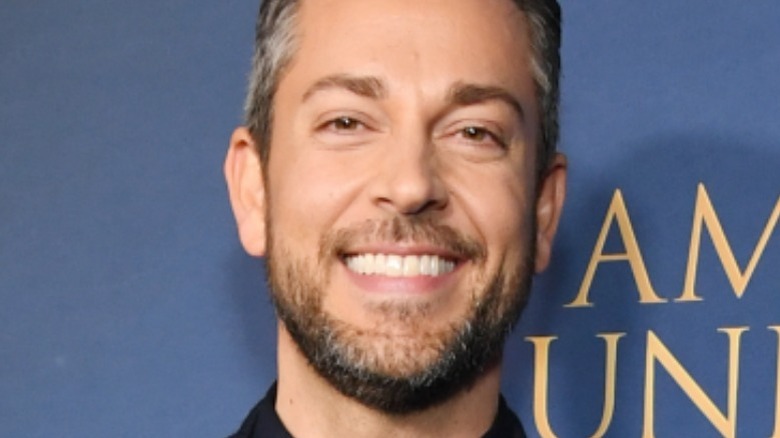
Levi’s decision to speak openly about the event sparked broader discussion about celebrity involvement in political and public safety conversations. Critics argued that actors shouldn’t weigh in on security policy. Supporters countered that eyewitness testimony—especially from trusted public figures—can drive meaningful change.
His comments contributed to a bipartisan push for updated safety standards at national media events. Within weeks, the WHCD organizing committee announced plans to:
- Implement real-time emergency alert systems for guests
- Conduct mandatory active shooter drills for all staff
- Restrict protest zones further from event venues
“Just because it’s a dinner doesn’t mean it’s not a target,” Levi said during a Senate forum on event security. “We’ve got to stop treating these like parties and start protecting them like what they are—high-risk gatherings in a divided country.”
What This Means for Future Events
The WHCD incident isn’t isolated. From political rallies to awards shows, public events are increasingly vulnerable. Levi’s account underscores several actionable lessons:
- Guests should know emergency exits upon entry – Too many attendees don’t scan for exits when arriving.
- Silence isn’t safety – Delayed communication breeds confusion. Organizers must prioritize transparency.
- Celebrities aren’t leaders in crises – While their presence may calm nerves, real leadership comes from trained personnel.
- Proximity matters – High-profile events must enforce larger buffer zones between attendees and unvetted crowds.
For event planners, the message is clear: preparation can’t be outsourced. For attendees, awareness is the first layer of defense.
Zachary Levi didn’t expect to become a witness to violence that night. But by speaking up, he helped pull back the curtain on what really happens when danger interrupts ceremony. His account isn’t just a story—it’s a case study in human behavior, security failure, and the fragile line between spectacle and survival.
If you're attending a major public event, don’t wait for an announcement. Know your exits, stay alert, and question complacency. Because when the noise starts, the ballroom won’t wait for you to be ready.
FAQs
What was Zachary Levi doing at the WHCD? Levi attended as a guest, invited through media and entertainment industry connections. The WHCD regularly includes actors, comedians, and public figures.
Were any guests injured during the shooting? No guests inside the ballroom were physically injured. The shooter was stopped outside the venue by law enforcement.
How did Zachary Levi react during the chaos? He stayed calm, helped guide others away from windows, and followed evacuation procedures. He later described feeling fear but focused on not escalating panic.
Was the shooting related to the WHCD itself? The motive remains under investigation, but the shooting occurred during a protest near the event. No direct link to attendees or organizers has been confirmed.
Did security respond quickly enough? While law enforcement neutralized the threat within minutes, internal coordination at the event was criticized for delayed communication and unclear protocols.
Has the WHCD changed its security since the incident? Yes. Organizers have since announced enhanced screening, expanded perimeters, and better emergency communication systems for future events.
Can celebrities influence public safety policy after such events? Yes. While not experts, high-profile eyewitnesses like Levi can amplify calls for reform and draw media attention to systemic flaws.
FAQ
What should you look for in Zachary Levi Recalls Chaos at WHCD Event Shooting? Focus on relevance, practical value, and how well the solution matches real user intent.
Is Zachary Levi Recalls Chaos at WHCD Event Shooting suitable for beginners? That depends on the workflow, but a clear step-by-step approach usually makes it easier to start.
How do you compare options around Zachary Levi Recalls Chaos at WHCD Event Shooting? Compare features, trust signals, limitations, pricing, and ease of implementation.
What mistakes should you avoid? Avoid generic choices, weak validation, and decisions based only on marketing claims.
What is the next best step? Shortlist the most relevant options, validate them quickly, and refine from real-world results.