A single gunshot shattered the polished veneer of the White House Correspondents’ Dinner (WHCD), transforming a night of glamour into a scene of sudden terror. Actor Zachary Levi, seated inside the ballroom, was among the guests who experienced the commotion firsthand. What unfolded in those critical seconds—panic, confusion, and adrenaline—offers a rare glimpse into how quickly a high-profile event can spiral. Levi, known for his role as the wide-eyed Shazam, found himself in a situation no script could prepare him for.
His recollection isn’t just a celebrity anecdote; it’s a visceral account of human behavior under duress and a sobering reminder of the fragility of public gatherings.
The Night the Ballroom Stilled
The Washington Hilton ballroom, usually echoing with laughter and clinking glasses, fell silent in a heartbeat. Guests had gathered for the annual WHCD, an event blending media, politics, and Hollywood. Zachary Levi, attending as a guest, was seated at a table near the back when the sound of a gunshot tore through the air.
“I heard it before I understood it,” Levi later said in an interview. “It wasn’t like in the movies. It was sharper, more final. And then everyone just… froze.”
That moment of paralysis is common in active threat situations. The brain struggles to process danger it doesn’t expect. For attendees dressed in formalwear and lost in small talk, the shift was jarring. Waitstaff dropped trays. A comedian mid-punchline halted. Cameras stopped rolling.
Levi described the initial reaction as a delayed chain reaction—first disbelief, then murmurs, then movement. But unlike controlled evacuations, this was organic, uncoordinated. No announcements. No instructions. Just survival instinct taking over.
Inside the Panic: Levi’s Moment-by-Moment Account
Levi didn’t flee immediately. Instead, he scanned the room—a natural response for someone accustomed to stage and screen, trained to read environments. What he saw compounded the fear.
“People were ducking under tables. Others were trying to text, but their hands were shaking. I saw a woman in a designer gown curled into the fetal position. A reporter was live-streaming while whispering to his producer, asking if they should keep going.”
He recalled a man in a tuxedo yelling, “Is this real? Is this a drill?”—a question that hung in the air like smoke. No one had answers.
Security response was swift but chaotic. Officers flooded in from multiple entrances, weapons drawn, shouting commands. Some guests complied. Others, unsure whether the officers were part of the threat, hesitated. Levi noted that confusion between responders and potential threats is a known risk in such scenarios.
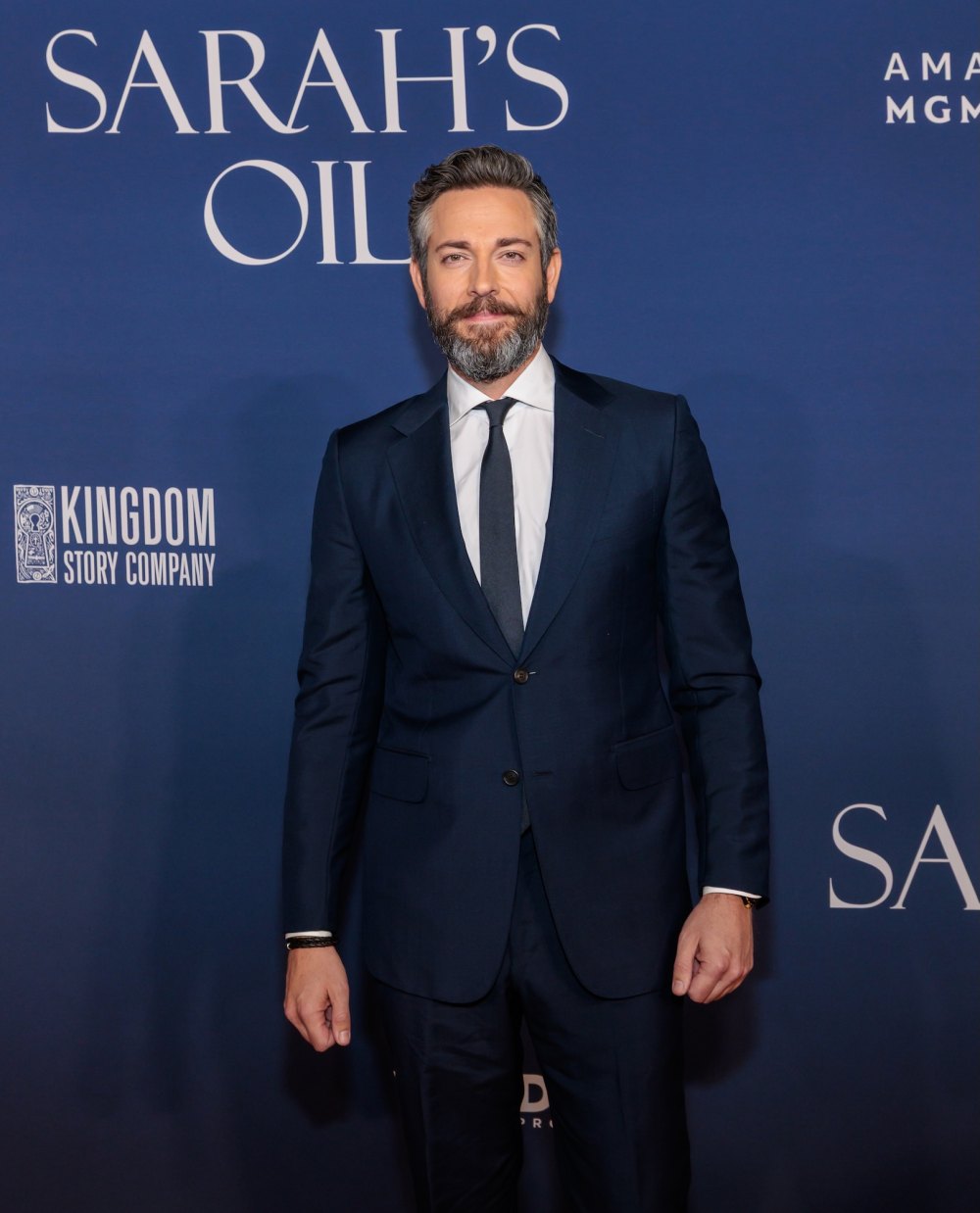
He stayed low, moved toward a service exit with a small group, and evacuated calmly—though his heart was “racing like I’d just done ten takes of a fight scene.”
Why Celebrity Eyewitnesses Matter When someone like Zachary Levi speaks about a traumatic public incident, the narrative shifts. His visibility amplifies the emotional weight of the event. Unlike official reports or press briefings, his account personalizes the experience.
Consider the difference: - A police statement: “One suspect apprehended, no injuries reported.” - Levi’s testimony: “I saw a young staffer crying into her phone, saying she loved her mom, just in case.”
This contrast isn’t about contradicting facts. It’s about context. Celebrities often serve as emotional conduits—translating institutional language into human terms.
Levi’s openness also challenges the expectation that public figures should remain neutral or detached. By sharing his fear, disorientation, and empathy, he validates the experiences of others in the room—many of whom haven’t spoken publicly.
Security Gaps Exposed by the Incident
Despite layers of protection at the WHCD, the shooting revealed vulnerabilities. The gunman wasn’t inside the ballroom—he was in a nearby corridor—but the sound carried, and perception became reality.
Key issues surfaced: - Acoustic deception: In large, reverberant spaces like ballrooms, gunshots can seem closer than they are. - Communication breakdown: No public address alert was issued during the critical first minutes. - Crowd dynamics: High heels, narrow aisles, and lack of marked exits slowed evacuation.
Levi pointed out a sobering detail: “There were no visible emergency signs. No one told us where to go. We followed people who looked like they knew, but most of us were just guessing.”
This aligns with research on mass gathering safety. A 2022 National Institute of Justice study found that 68% of attendees in public panic scenarios rely on social cues rather than official guidance. When no one leads, herd behavior takes over—sometimes toward danger.
Event planners now face pressure to rethink safety protocols, especially for high-profile gatherings where guest lists prioritize influence over emergency preparedness.
The Role of Media in Real-Time Crisis
As a journalist livestreamed updates from beneath a table, Levi watched the coverage unfold on his phone—even as he was still inside the building.
“The surreal part? Seeing my own confusion reflected back at me through a news ticker. I was living it, but also watching it happen to someone else.”
This duality defines modern crisis experiences. Social media turns witnesses into broadcasters. But it also spreads misinformation. During the incident, unverified reports claimed multiple shooters, injuries at the podium, and even political targeting. Levi dismissed them as “noise.”
“I saw exactly what happened. One shot. Confusion. Then security. But online, it felt like a warzone.”
The gap between lived reality and digital narrative is widening. For public figures, this means managing not just their safety but their story.
How Events Are Changing After the Shooting
In the weeks following the WHCD incident, several organizations revised their safety policies. The White House Correspondents’ Association (WHCA) introduced mandatory briefings for attendees, installed discreet emergency signage, and increased coordination with D.C. police.
More notably, some celebrities began requesting security assessments before accepting invitations. Levi, while declining to name clients, confirmed that his team now reviews venue emergency plans as part of contract negotiations.
“Before, it was about dressing well and knowing your table number,” he said. “Now, it’s about knowing where the exits are and who to trust if things go wrong.”
Venues like the Washington Hilton have responded with: - Silent alarm systems linked to law enforcement - Staff training in active threat response - Designated “calm leaders” at high-profile tables to guide evacuation
These changes reflect a shift: from reactive security to proactive resilience.
The Psychological Toll on Attendees
Levi admitted he didn’t sleep for two nights after the event. “Every loud sound—door closing, phone vibrating—triggered that moment. I’d flinch. My chest would tighten.”
He’s not alone. Mental health professionals report a spike in acute stress symptoms among WHCD attendees, even those unharmed physically. The phenomenon, known as “invisible trauma,” affects people who witness crises without direct threat.
Symptoms include: - Hypervigilance in crowded spaces - Avoidance of media coverage - Emotional numbness or irritability
Levi sought counseling and encouraged others to do the same. “This wasn’t weakness. It was maintenance. Like rehab after a stunt.”
His advocacy highlights a broader issue: the lack of psychological support after public incidents. Many organizations focus on physical safety but neglect emotional recovery.
What We Can Learn from Levi’s Experience
Zachary Levi didn’t set out to become a voice on event safety. But his experience offers actionable insights:
- Know your exits. Before sitting down at any event, locate at least two ways out.
- Trust your instincts. If something feels off, it probably is. Don’t wait for an announcement.
- Limit phone use during panic. Recording is useful, but awareness is critical. Look up.
- Stay low, move slow, think ahead. Panic kills. Calm saves.
- Seek support afterward. Trauma doesn’t discriminate by fame or role.
Levi’s story isn’t about heroism. It’s about humanity—how ordinary people react when the unthinkable breaks into the everyday.
For event planners, guests, and public figures, the WHCD shooting is a case study in preparedness, communication, and recovery. The gunshot was brief. The impact? Lasting.
As Levi put it: “We came for speeches and laughs. We left with a new kind of awareness. Maybe that’s the only good thing that came from it.”
Stay alert. Stay informed. And never assume safety is guaranteed—no matter how bright the lights.
FAQ
What should you look for in Zachary Levi Recalls Chaos During WHCD Shooting? Focus on relevance, practical value, and how well the solution matches real user intent.
Is Zachary Levi Recalls Chaos During WHCD Shooting suitable for beginners? That depends on the workflow, but a clear step-by-step approach usually makes it easier to start.
How do you compare options around Zachary Levi Recalls Chaos During WHCD Shooting? Compare features, trust signals, limitations, pricing, and ease of implementation.
What mistakes should you avoid? Avoid generic choices, weak validation, and decisions based only on marketing claims.
What is the next best step? Shortlist the most relevant options, validate them quickly, and refine from real-world results.